

Roadside assistance is useful, but the wait can still be long and uncomfortable. A well-prepared boot gives you light, power and a way to deal with the first few minutes.

A car-breakdown tech kit's job is to make the vehicle visible, keep your phone alive, give you a way to check a few obvious problems, and help you wait safely for roadside assistance or someone you trust.
Check your car’s handbook before buying a breakdown kit. Confirm what spare-wheel setup the vehicle has, where the jump-start points are, which tyre pressures apply and whether the wheels need a locking-nut key. The right equipment depends on the car; a generic kit may leave you with tools you cannot use.
A visible car is the first priority
Ensure that your warning triangle is kept near the boot opening, not beneath shopping bags, beach chairs and last winter’s mystery jacket. According to South African road rules, a stationary vehicle on a roadway or shoulder requires an emergency warning sign placed at least 45 metres from the vehicle in the direction of approaching traffic. A reflective vest and headlamp can be valuable as well. While a phone flashlight can help in a pinch, a headlamp leaves both hands free.
A breakdown does not always begin with smoke and a dramatic engine cough. A flat tyre, weak battery or warning light could mean a car stopped in a place where visibility becomes the first problem. The kit should help other drivers see the vehicle before anyone starts looking for a fault.
Your phone is part of the roadside kit
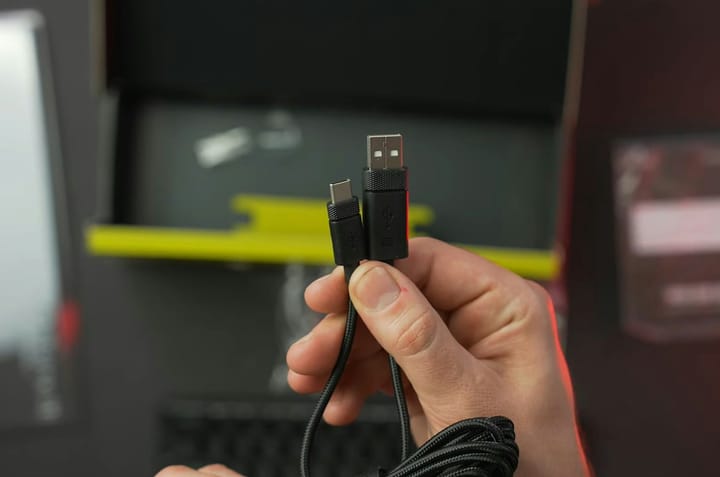
A 12V car charger, a charging cable that fits your phone, and a charged power bank belong together. One item on its own does very little. A cable with no charger is dead weight; a power bank with no charge is décor.
Save the roadside-assistance number, insurer contact details, vehicle registration number and an emergency contact. A printed card in the cubbyhole may seem old-school, but a dead phone, weak signal or forgotten password can turn a five-minute call into a long back-and-forth session.
During an unforeseen roadside stop, phone security is crucial, especially if your device is left on a seat, bonnet or dashboard while you wait for help. Protect your phone and the accounts connected to it before walking away from the vehicle or accepting help from an unfamiliar person.
 Liz Thorne
A charged phone, a working cable and the right contact numbers can change the next half-hour completely. None of that repairs a car, but it gives you a route to help before the situation becomes more difficult.
A tyre kit needs more than a can of sealant
A compact tyre inflator and pressure gauge can be useful for a tyre that requires air, but only if the tyre has not suffered serious damage. Only use the pressure listed by the vehicle manufacturer. A wheel brace, locking wheel nut key and jack are important if your car has a spare wheel. Check each item before a road trip or long commute.
The Automobile Association indicates that items such as a tyre-pressure gauge and jumper cables are among car essentials, alongside warning equipment and tools for tyre changes. Use tyre sealant carefully. Read the product instructions and the vehicle handbook before use. Some kits are intended only as a temporary measure, while certain punctures and sidewall damage need professional attention.
A jump starter earns its place
A compact lithium jump starter can be useful when a battery has enough life to respond to a boost. Buy a model that the manufacturer states is compatible with the vehicle’s engine size and battery setup, then read the connection instructions before the first emergency. Charge the unit according to the manufacturer’s guidance and remember to check it. A jump starter that has not been checked in months might not help when the car needs one.
Record what happened, not what you remember later
A dashcam does not belong in the boot, but it belongs in the wider car-tech setup. A camera can record the road, number plates, traffic lights and impact sequence after a collision. Dashcam footage after a collision can give an insurer or claims assessor more than two competing versions of the same incident.
 Liz Thorne
Some roadside problems need more than a toolkit
A roadside tech kit can help with a flat tyre, weak battery or minor delay. A tow, replacement battery, damaged tyre or workshop repair is another matter. Roadside readiness also has a money side. Money set aside for an unexpected car cost can protect you from putting an urgent repair straight onto a credit card or postponing work that should not wait.
 Liz Thorne
Most drivers will never use every item in a car-breakdown kit. The purpose is not to turn the boot into a roadside workshop or pretend a jump starter can solve a serious mechanical fault. The kit should be for the small complications that turn a flat tyre or dead battery into a far worse afternoon: no light, phone charge, number for help, or no way to warn approaching traffic.
 Anchen Coetzee
 Naomi Roebert
 Mariana Balt


Comments ()