
What is an emergency fund, and how much should you have?
An emergency fund can prevent financial disasters. Here's how much to save and where to keep it.
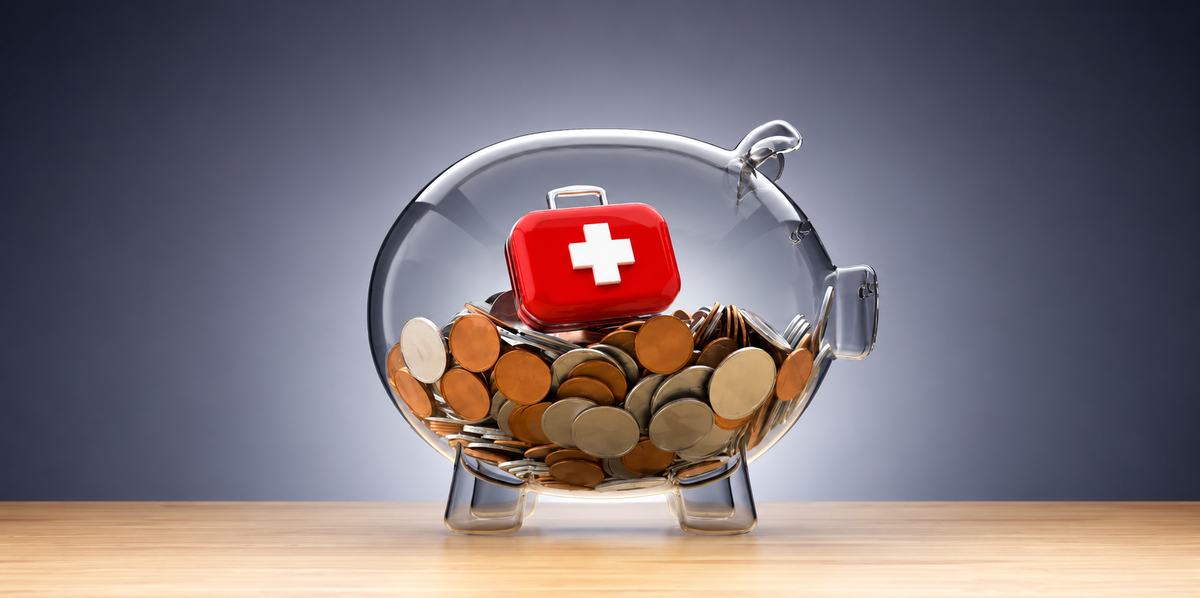

An emergency fund is money set aside for urgent costs or income gaps, like a car repair, medical shortfall, broken appliance, urgent home repair or late salary payment. It should not be seen as an investment account, holiday fund or spare spending money.
A useful emergency fund should fall outside your everyday bank account. The easier it is to swipe, transfer or tap into the money, the less likely it is to survive a normal month.
Emergency money has one job: to stop a short-term problem from becoming debt. It does not need to be impressive; it should be available, separate and protected from everyday spending.
 Liz Thorne
How much should you save?
A common target is three to six months of essential expenses, but many South African households need a smaller first goal before that number can become realistic. In South Africa, it could feel unrealistic at first, especially with food, fuel, insurance, school fees, rent or bond payments already taking most of the budget.
You could start with R5,000 to R10,000. It might not cover every crisis, but it could handle many common household shocks without reaching straight for credit. That amount may cover a tyre, excess payment, small medical bill or urgent appliance repair without using credit. After that, you can work toward one month of essential expenses.
A monthly money audit can help free up the first few hundred rand without turning the budget into a punishment exercise. Fuel is one of the easiest monthly costs to underestimate, especially when price changes hit before payday.
 Liz Thorne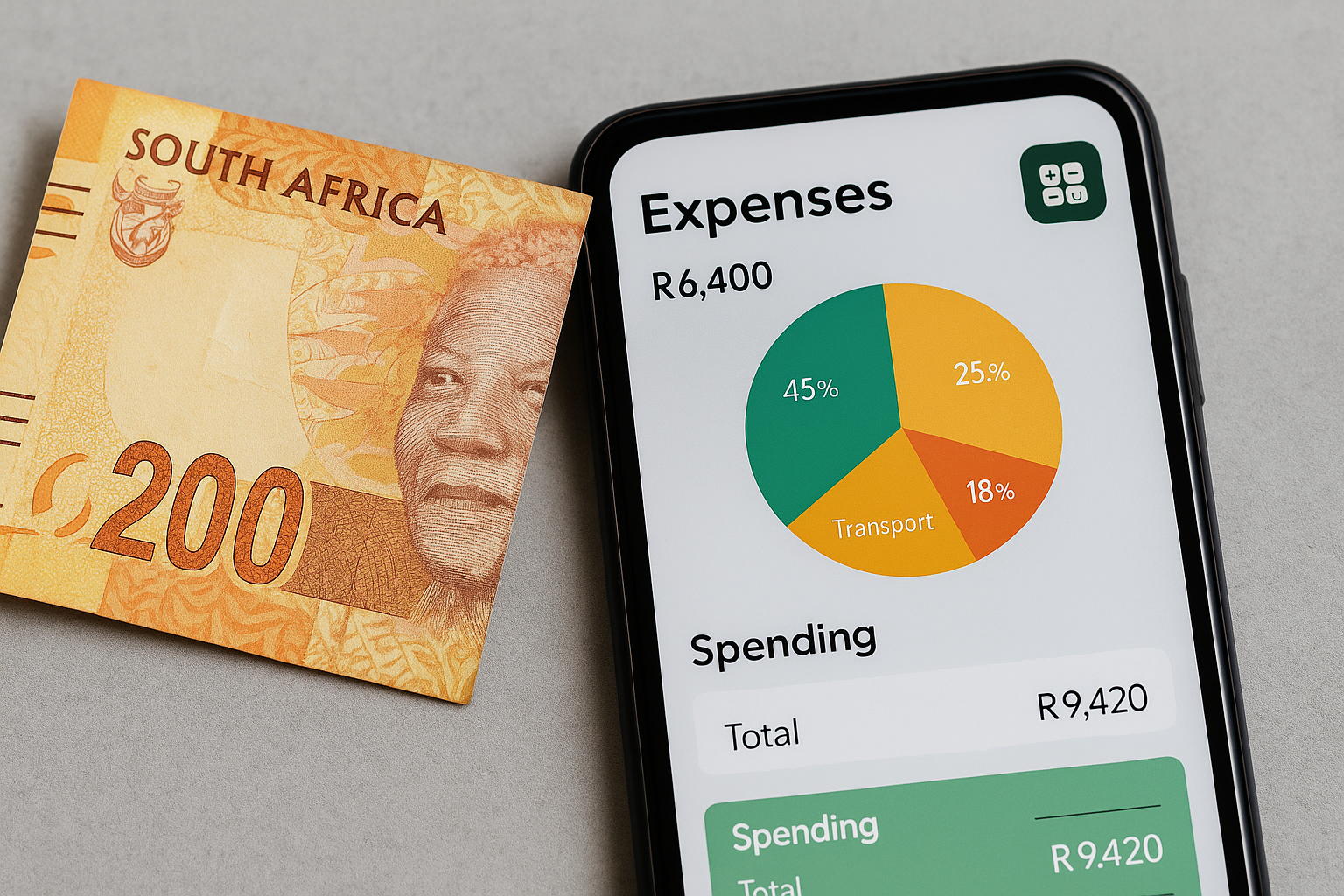
Where should the money be kept?
Keep it in a separate savings account with low fees, some interest and access within 24–48 hours.. Choosing the highest interest rate is usually less important than being able to reach the money when a genuine emergency appears.
Common mistakes to avoid
- Saving whatever is left at the end of the month: Treat emergency savings like a bill and contribute to it first, even if the amount is small.
- Using emergency money for planned costs: Expenses such as tyres, school uniforms, licence renewals and holidays should have separate savings pots.
- Treating credit as the emergency fund: Credit can help during a crisis, but it should be a last resort rather than your primary backup plan.
- Not tracking spending: Reviewing your spending each month can reveal areas where money can be redirected to your emergency fund.
A budgeting app can help spot where the first R250 or R500 could come from.
 Liz Thorne
How to build it without overthinking it
- Pick a realistic amount: R250 a month can beat a big plan that fails after one debit order.
- Automate the transfer: Move the money on payday before card payments, food shops and debit orders take over.
- Use extra income wisely: Bonuses, tax refunds, side income and cancelled subscriptions can help build the fund faster.
Black Friday is still a few months away, but retail events need discipline. If a deal drains your buffer, it is not a saving.
A dedicated emergency fund in South Africa does not need to start with six months of expenses. Start with a small buffer, separate it from daily spending, and build it month by month. The goal is not perfection. The goal is saving money before life sends the bill.
 Liz Thorne
 Naomi Roebert
 Mariana Balt




Comments ()