
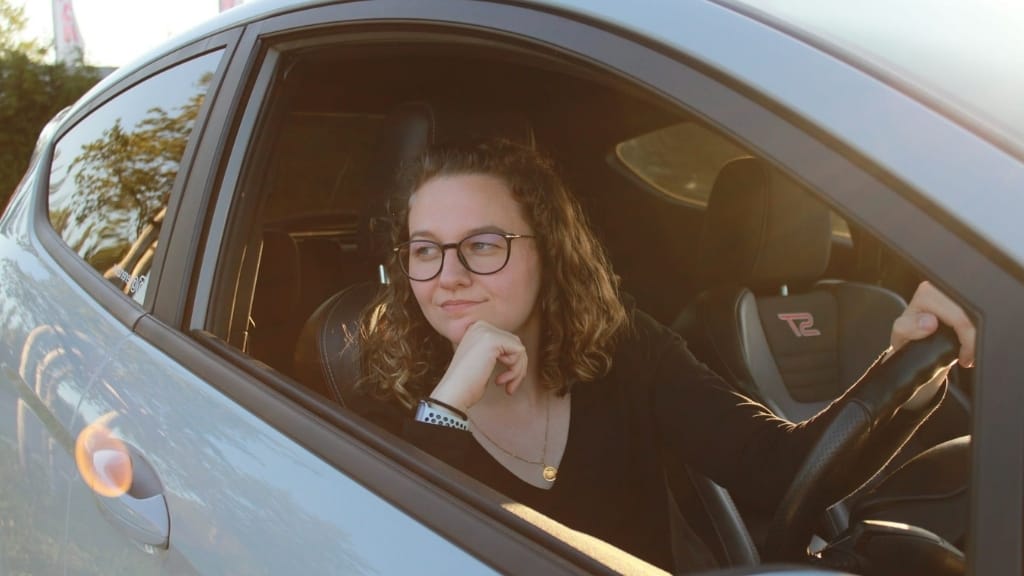
A familiar song can suddenly become one thing too many when you're trying to spot the correct gate. Your brain may be asking for fewer inputs while it deals with directions and traffic.



You know the moment. The music is fine until the GPS tells you the turn is close, the street numbers get harder to spot, and your hand reaches for the volume. You're not trying to hear the address; your brain has simply been given one job more than it wants at that second.
Your brain is doing more than driving
A Wits University explanation of multitasking gives us a pretty good clue. When a road is unfamiliar, you focus more on driving, leaving less mental capacity for the radio or a conversation. You also have traffic to monitor, directions to follow, signs to scan and the small panic that number 42 may already be behind you.
If your phone is your map, set up phone-mounted navigation before you leave and remove one small task from the search.
 Liz Thorne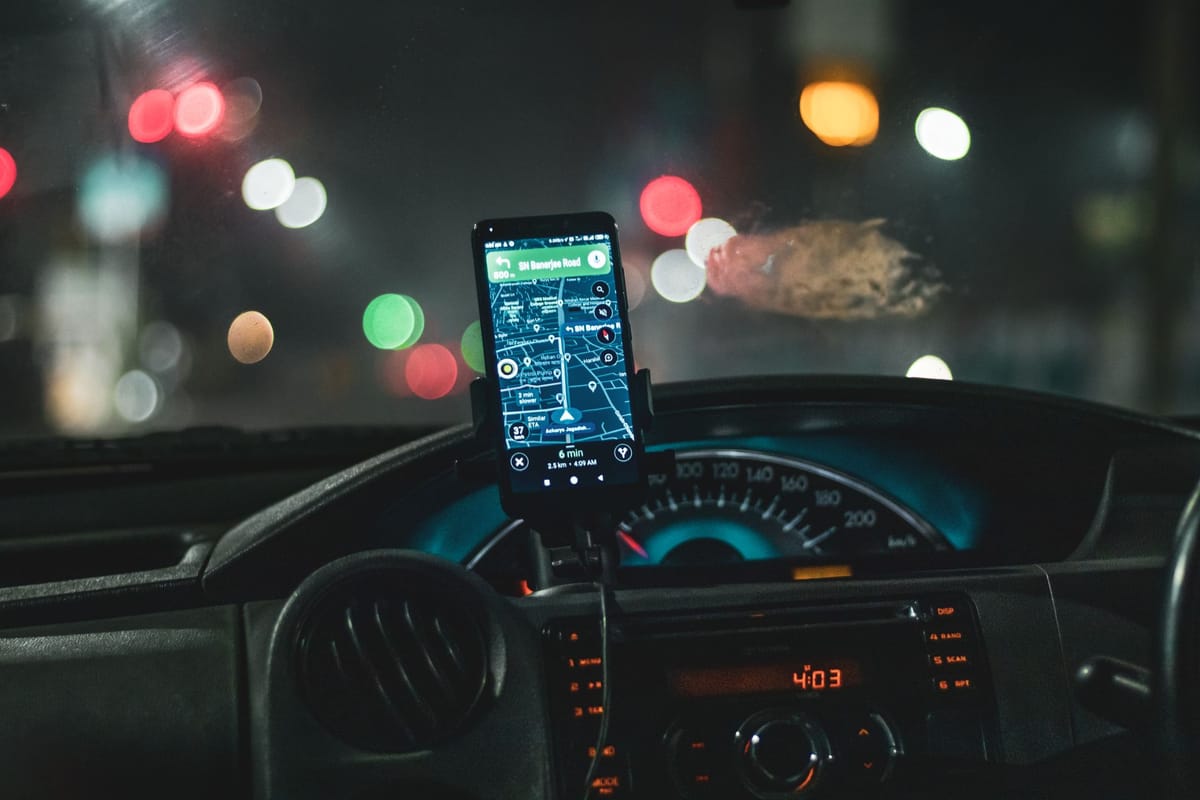
Turning the music down is not a weird superstition. You have removed one stream of information while your brain works out the turn, the house number and the traffic near you. The volume knob becomes your tiny “hang on, I’m thinking” button.
Music is another thing your brain is processing
Music can seem like background sound because you drive with it every day. Rhodes University research into music and driving found that the effects on concentration and driving differed among participants and personality groups.
Music isn't automatically bad for driving. Sound is simply another input your brain may have to process, and music’s connection with mood and memory can make a familiar track more than an anonymous hum from the speakers.
 Tessa Vaughn
Turning it down does not make the road disappear
Lower volume doesn't mean you can stare at a gate number and forget the traffic. The Automobile Association of South Africa (AA) advises drivers to reduce radio volume and limit distractions because driving requires full focus.
The same idea applies before a trip. A roadside emergency tech kit prepared in advance gives you fewer things to work out during an unexpected stop. A missed turn is less dramatic. Drive on, let the GPS recalculate, and resist the urge to punish everyone in the car because the little blue line betrayed you.
 Liz Thorne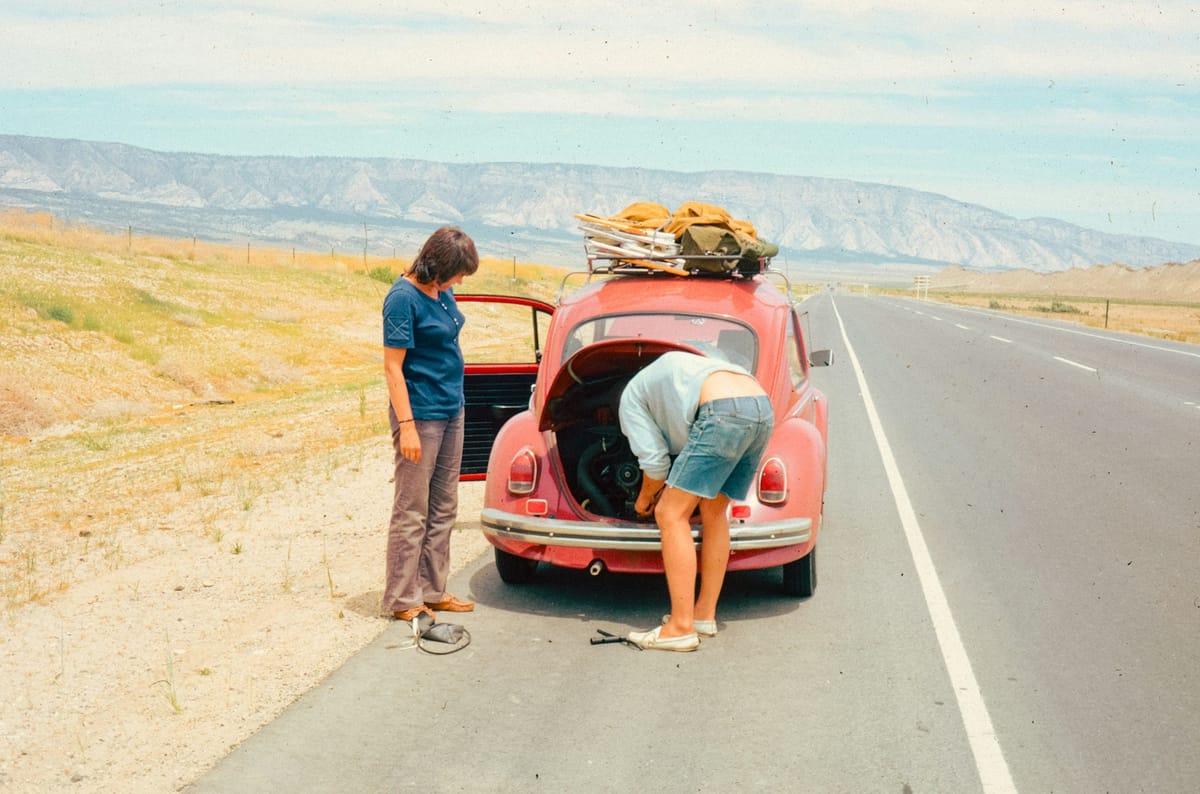
You are not turning the music down because your eyes work better at volume 12. You are giving the address search more of your focus for a few seconds. Once you find the gate, the song can have your brain back.
The habit is not quite as ridiculous as it looks. A lower volume is a small admission that your brain cannot give everything equal focus at once. Sometimes finding where you are going starts with asking less of your brain for a few seconds.
 Lynette Spencer
 Naomi Roebert
 Anchen Coetzee



Comments ()