

Crypto coins can show different prices across platforms. The reason is not always complicated, but the full cost of the trade can be easy to miss.

A crypto price is not one single number shared by every exchange. Bitcoin, Ethereum or another coin can show one price on a South African exchange and another price on a global exchange because each platform has its own buyers, sellers, fees and order book.
A beginner might see the gap and think something is broken, while a regular trader might see a normal market difference. Both reactions make sense because the screen shows the same coin, while the trade behind that price is not taking place in the same market. Unlike a shop shelf where one product has a certain marked price, a crypto exchange matches buyers and sellers in its own system.
Every exchange has its own buyers and sellers
A crypto exchange is a marketplace. Buyers place offers to buy, and sellers place offers to sell. A trade happens when the two sides agree on a price. One exchange can have more buyers than sellers at a certain moment, while another exchange can have more sellers than buyers.
Prices can then differ, even when both platforms list the same coin. Anyone who is still getting used to fees and spreads should not judge a trade only by the headline price.
 Liz Thorne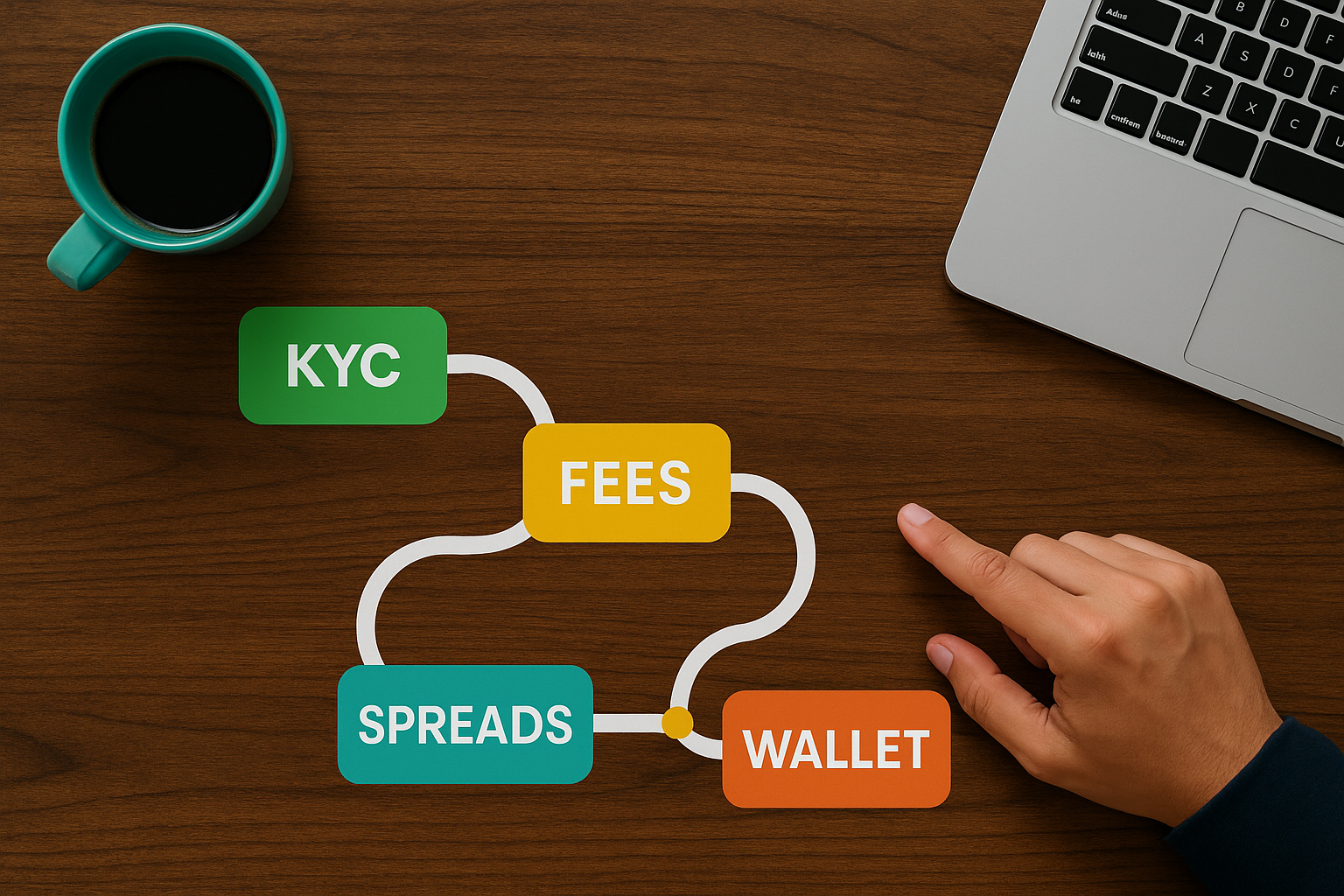
Liquidity changes what you really pay
Liquidity means how easy it is to buy or sell without the trade pushing the final price much higher or lower than the number shown on screen. A busy exchange with many orders can absorb larger trades with less price movement.
A smaller exchange can have fewer orders available, which means a modest purchase or sale can affect the price more. Coinbase explains spread and slippage as part of the gap between an expected price and the price a customer may get during a trade.
A cheaper coin price can look useful until the full trade cost appears. Trading fees, withdrawal fees, blockchain fees, spreads and price changes during transfer can remove the difference before the money reaches the next step.
Fees can change the final result
Two exchanges can show different prices before any fee is added. The final amount can change again once platform fees, withdrawal charges and network fees are applied. A person who buys crypto with rand may also face a different result from a person buying with dollars. Currency conversion, exchange rates and local banking costs can affect the final rand amount.
A price difference does not automatically create a profit chance. It may reflect the cost of depositing rand, buying the coin, transferring the coin, selling the coin and withdrawing the final balance.
Price gaps attract arbitrage traders
Arbitrage is the act of buying an asset in one market and selling the same asset in another market where the price is higher. Investopedia describes arbitrage as a strategy that traders use to try and profit from price differences between markets.
Crypto arbitrage sounds simple, but the trade has limits. Transfers can take time, fees can reduce the price gap, and prices can change before the coin reaches the next wallet or exchange. Some platforms also have withdrawal limits, identity checks or delays.
South African readers who follow rand prices should also read price action with Bitcoin price context rather than treating every price difference as a separate story.
 Liz Thorne
The lowest price is not always the cheapest trade
A lower price on one exchange can still cost more once fees, spreads and withdrawal costs are added. Security is also an important part of the process. A platform with weak account protection or poor withdrawal reliability can turn a small price saving into a larger problem.
Anyone who moves coins after purchase should understand on-chain transfer habits before they transfer crypto between wallets or exchanges.
 Liz Thorne
A crypto price is not only the coin price. It is also the exchange, the currency pair, the fees, the spread, the timing and the depth of the market behind the trade.
If you compare exchanges, you should look past the screen price, because the trade is only clear once the path from rand to coin and back again has been considered.
 Naomi Roebert
 Lynette Spencer
 Anchen Coetzee
 Mariana Balt



Comments ()