
How Comic Con Cape Town is turning fandom into a spending economy
Comic Con Cape Town has grown into more than a fan event. It is now a weekend where identity, content and spending all collide.
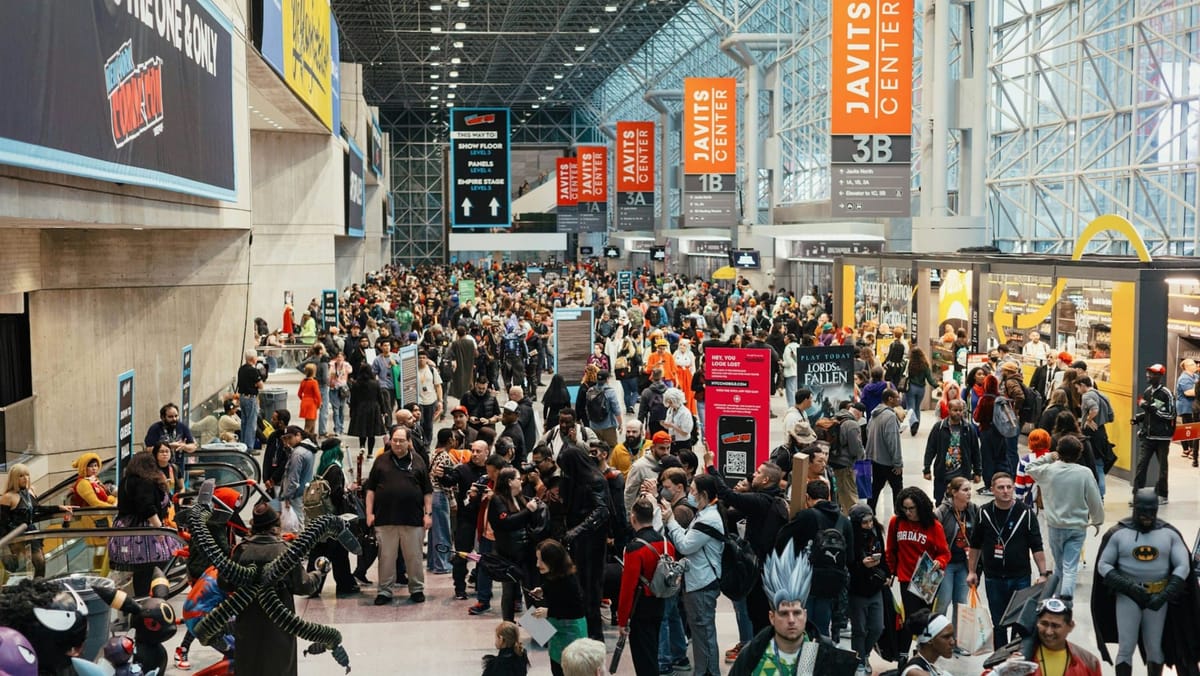
CAPE TOWN, Western Cape - Comic Con Cape Town is no longer a costume party with better lighting. It's Cape Town’s geek economy in a convention centre: day passes, cosplay budgets, collectable spending, food queues, transport costs, creator stalls and brand activations all pointed at one fandom wallet.
Comic Con Cape Town now belongs in the same Cape Town event budget conversation as ticketed social plans and adult weekend planning. Cape Town also plans nights out in group chats, and fandom spending works the same way: one friend drops the ticket link, another shares costume ideas, another checks transport, and the budget becomes communal before the card machine sees anyone. Comic Con Cape Town fits the city’s chat-first social planning, where WhatsApp groups do the admin before anyone reaches the Foreshore.
Why fandom now has a receipt
The fourth live edition is scheduled for CTICC 2 from April 30 to May 3, with show times from 09:00 to 18:00. Official event pages place gaming, cosplay, tabletop, anime, Artist Alley, KidsCon, shopping and activations in one venue, which is the whole money story in miniature.
Fandom used to be treated as a hobby spend, with a comic here, a T-shirt there, maybe a console upgrade after payday. Comic Con Cape Town turns it into an organised consumer loop. Millennials can buy a day pass, spend on transport from the Southern suburbs or Northern suburbs, queue for food, buy an artist print, grab a figure, pay for a photo op, post the content and leave with a bank app that looks personally offended.
Fandom is no longer only a weekend interest. In Cape Town, it has become a ticket, a costume budget, a food queue, a card tap, a creator stall and a group chat plan.
Where exactly does your money go?
A day pass is only the opening number. The Cape Town version has several layers, including:
- Ticket or pass
- Cosplay clothing, wigs, props and makeup
- E-hailing or parking
- Food and drinks at or near the CTICC
- Artist Alley prints, commissions and stickers
- Anime figures, comics, toys and tabletop gear
- Power banks, data, content gear and last-minute accessories.
Comic Con Cape Town’s exhibitor list shows the range of spending points, from toy sellers and anime gift shops to LEGO fan communities, tabletop partners and Artist Alley creators.
Cape Town’s case is simple
Cape Town didn't treat Comic Con as a cute nerd weekend and walk away. The City backed a three-year event agreement for the 2024, 2025 and 2026 editions after the first full Cape Town version drew 27,484 attendees and generated more than R24 million in spending. The same report pointed to more than 235 trading opportunities for local businesses.
Cape Town’s broader events economy gives this context. In 2025, the city’s Events Permit Office approved 1,064 events, which drew more than 3.47 million spectators and participants, while 15 reviewed events generated more than R2.5 billion in economic activity. Comic Con Cape Town was listed among the sold-out cultural and lifestyle events in that calendar.
Cape Town Comic Con in 2025 looked like a full-blown fandom takeover of CTICC 2 — cosplayers everywhere, cameras out, and wallets quietly taking damage. This weekend? Same chaos, bigger budget.
Why millennials spend here
Cape Town millennials are not spending because they suddenly forgot rent exists. They spend because Comic Con bundles several things they value into one day: nostalgia, identity, social proof, handmade goods, gaming culture, creator access and a reason to leave the house that is not another overpriced brunch.
The Foreshore effect
CTICC 2 also changes the maths. A central venue pulls in the CBD, Atlantic Seaboard, Southern suburbs, Northern suburbs and tourists, while the official ticket page notes paid parking at CTICC 1 and suggests e-hailing. Transport becomes part of the purchase decision, not an afterthought.
The small-seller angle
Artist Alley is not filler, but where fandom spending becomes creator income. A print, sticker sheet, character commission or handmade accessory might look minor next to a giant brand stand, but thousands of those purchases can turn a weekend table into rent money, stock money or the next batch of prints.
The budget play
Comic Con Cape Town is fun, but the spending can snowball. Nobody needs to cosplay as a spreadsheet goblin, but a basic plan helps:
- Pick the day before buying extras
- Set a merch number before entering Artist Alley
- Separate food and transport money
- Use a group chat for lifts and meeting points
- Leave room for one impulse buy, because pretending otherwise is adorable nonsense.
The smart move is not to shame fandom spending, but to know when a fan moment becomes a spending system.



Comments ()