
Why do we save the good things for a special occasion?
Our most carefully preserved belongings rarely have instructions to be treated like museum pieces. Somehow, we write the rules ourselves and then live by them.
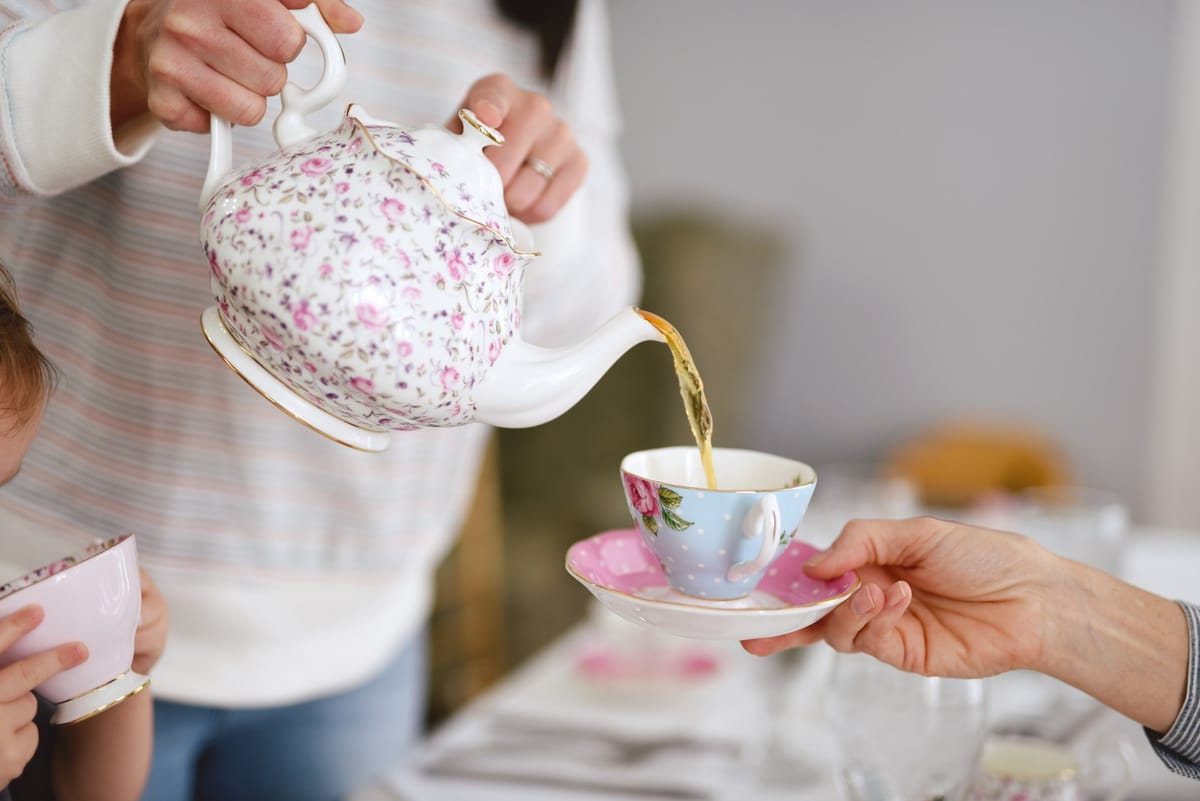
You own a perfectly lovely mug, while your morning coffee goes into the chipped one. The good perfume waits for a wedding invitation, the nicer plates are reserved for guests, and a new outfit hangs in the wardrobe because going to the shops apparently isn't important enough. At what stage did your ordinary life become unworthy of the things you love?
When did the occasion become more important than the thing?
Wanting to look after something expensive or sentimental is understandable. A gift from somebody you love has meaning, and a replacement might be out of your budget. Still, saving something for the right day has an odd side effect: the longer you wait, the harder it becomes to use.
Research published by Daily Maverick describes experiments in which people who passed up an opportunity to use an item were less inclined to use it later. One explanation was that the unused item had begun to seem more special. A perfectly ordinary possession had somehow become something with rules attached.
By the time a guest drinks from your good glass, you've spent months making do with the one you don't even like. You've given a visitor permission to enjoy something you bought for your own home, without extending the same courtesy to yourself. It's a strange little rule when you see it written down.
The strange need to earn a nice day
The same thinking reaches beyond possessions. An afternoon without plans somehow requires a purpose, a treat needs a reason, and taking time off because you want to sometimes comes with guilt. It's easy to imagine the special event that deserves your favourite things, while dismissing the perfectly decent day in front of you.
 Liz Thorne
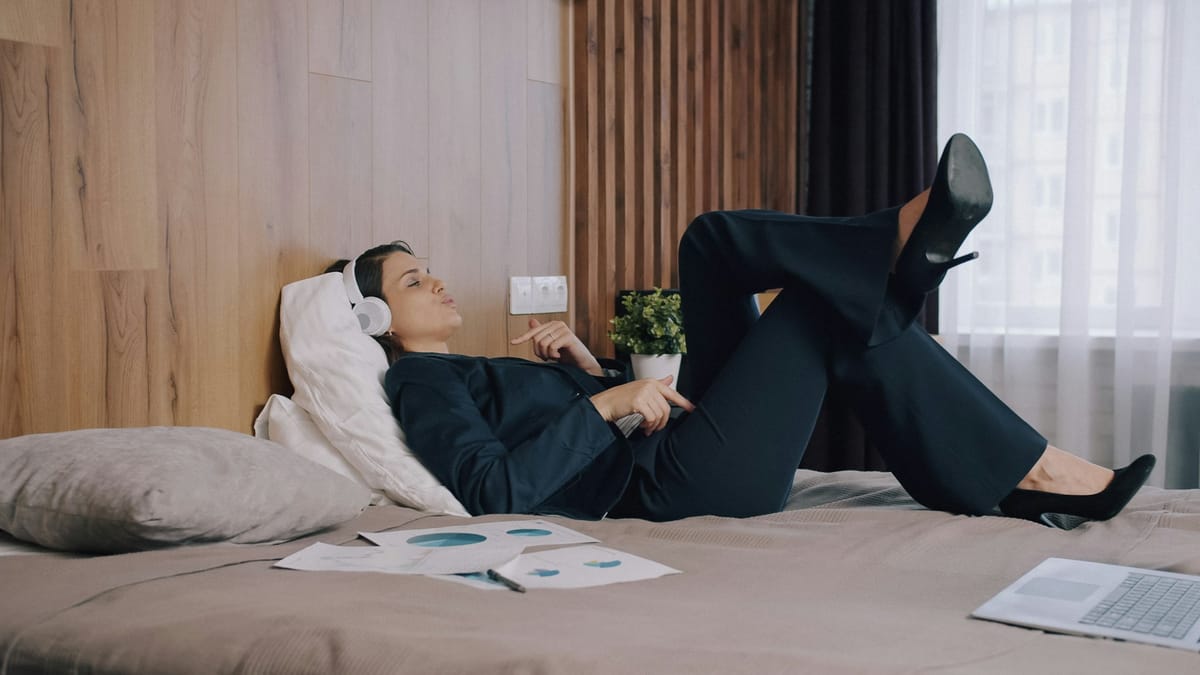
Packing up a home makes the habit especially obvious. You unwrap something lovely that has spent years protected from scratches, dust and ordinary use, then wonder whether you enjoyed owning it or enjoyed the idea of using it one day.
Perhaps the good things belong in ordinary life
Nobody is suggesting you wear a family heirloom to wash the car or open a sentimental bottle of wine without thought. Caring for precious possessions is different from refusing yourself the pleasure of something bought to be enjoyed.
Your favourite plates are perfectly capable of holding leftovers, the vase looks lovely with a few flowers from the garden, and that unworn outfit will survive a coffee date. The barista is unlikely to notice, which is a relief because you didn't buy it for the barista.
An ordinary lunch with somebody you love has no obligation to become a lifelong memory. Sometimes it does anyway, because of a ridiculous joke or a conversation neither of you expected. You never know beforehand which afternoon you will wish you could revisit.

Comments ()