
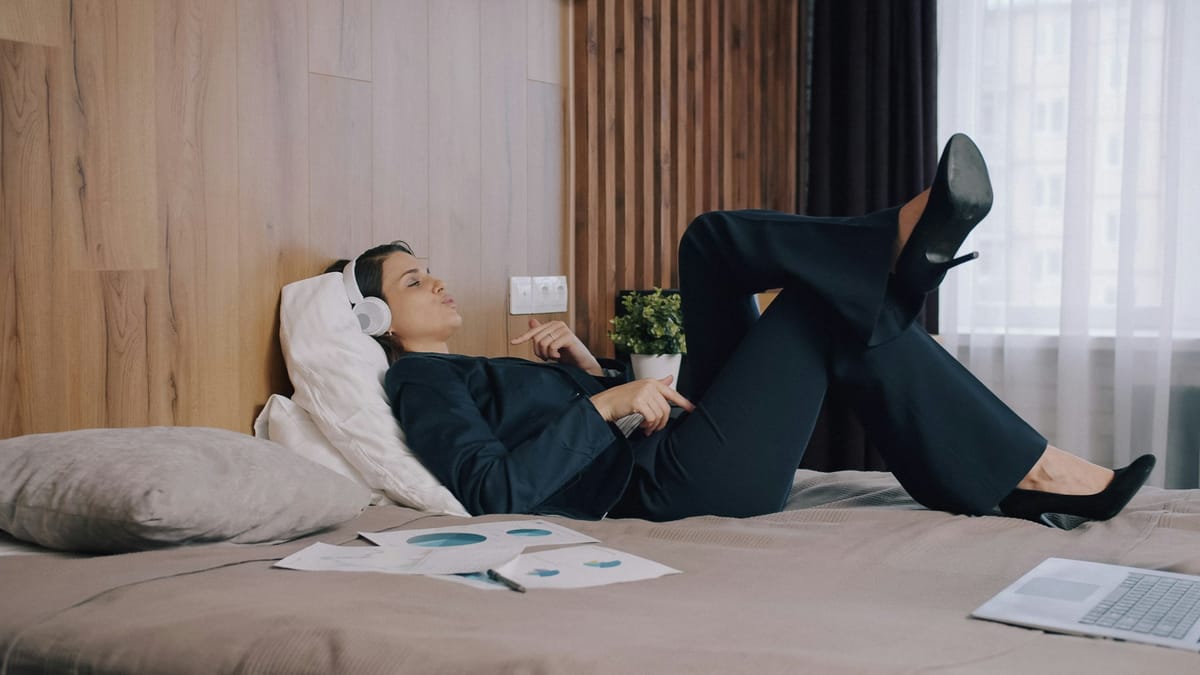
Being the person everyone turns to has its rewards, but it can also make personal time surprisingly difficult to claim. Perhaps the hardest part of taking a day off is accepting that nobody needs a reason for you to enjoy it.
You wake up on a Tuesday with no fever, no family emergency, no appointment you cannot postpone and no particularly good reason to stay in bed. You have annual leave available, the weather looks decent, and the day is yours. However, somewhere between making coffee and checking your phone, you start wondering whether taking the day off is justified.
What exactly are you going to tell people? Nothing happened, nobody needs you at home, and work is carrying on as usual. Surely you could manage another day?
Welcome to the peculiar guilt of being someone who has become so accustomed to being needed that having no immediate obligation feels almost uncomfortable.
Why does a free day need a reason?
Some of us have become very good at being available. You answer messages, solve problems, remember appointments, help someone with something they forgot, and somehow become the person people contact when nobody else knows what to do.
After a while, being useful becomes part of how you see yourself. You might even struggle to explain what you would do with a day that required absolutely nothing from you. I know the feeling. When people are accustomed to turning to you, stepping away can bring an unexpected sense of guilt. You start mentally reviewing everything you could have done with those hours, even before the day has begun.
There is something rather ridiculous about needing a convincing excuse to spend a day doing nothing. You have worked, met responsibilities, answered the calls and dealt with the unexpected. Yet a perfectly ordinary day off can leave you feeling as though you owe somebody an explanation.
Rest should not require a crisis
We tend to associate time off with something going wrong. Illness, exhaustion, family commitments or an emergency provide an acceptable explanation. A simple desire to have a day to yourself somehow attracts more internal debate.
South Africa's Department of Employment and Labour outlines annual leave entitlements under the Basic Conditions of Employment Act in its official annual leave guide. Annual leave is an employment entitlement, not something you have to earn through a crisis. Your relationship with work must also be considered. If your workday follows you into your evenings, weekends and personal time, you might recognise the difficulty of switching off.
 Liz Thorne

A day off does not have to involve a holiday, an expensive lunch or an elaborate plan. You might read, potter around the garden, binge-watch entire series, go for a drive or spend the afternoon in your pyjamas; nobody needs a report afterwards.
You are allowed to choose yourself
Perhaps the hardest part is accepting that other people can manage without your constant availability. Work continues, messages wait, household chores can be dealt with another day and someone else might have to find an answer.
You are allowed to be a person with interests, plans and ambitions outside the responsibilities you fulfil for everyone else. Being dependable should never mean making yourself permanently accessible.
Your life cannot be measured by how useful you are to other people. You deserve time that has no objective beyond your own enjoyment. Nobody should have to reach breaking point before they give themselves permission to rest.
Taking a day off when nothing is wrong is not an admission that you lack commitment; it is an acknowledgement that your life belongs to you as well. Perhaps the next time you have a free day, the only explanation you need is that you wanted one.

Comments ()