Why do companies buy back their own shares?
When a company buys its own shares, fewer shares may divide the same amount of profit. The price paid and the company’s financial position tell you more than the buy-back headline alone.

If you own shares in a company that announces a buy-back, the company plans to purchase some of its own shares. Your shares are not taken from you. You can choose whether to sell through the market, unless the company follows another approved transaction process.
South African company law treats a share repurchase as a distribution. The board has to authorise it and confirm that the company can pay its debts after the purchase.
Why companies choose this route
A company may use cash to buy its own shares instead of paying debt, opening new branches, buying equipment or declaring a dividend. JSE rules set approval and disclosure requirements for listed companies that repurchase shares. The announcement should explain how much money is involved and which type of repurchase has been approved.
How fewer shares change the figures
The effect is easier to see with numbers. A company earns R100 million and has 100 million shares, which gives earnings of R1 per share. After 10 million shares are bought back and cancelled, the same R100 million is divided among 90 million shares, giving about R1.11 per share.
The company did not earn an extra cent in this example. Only the share count changed. A higher earnings-per-share figure can come from the repurchase even when sales and profit have not improved. A buy-back differs from a dividend paid into your account. A dividend pays every qualifying shareholder, while a market repurchase pays investors who choose to sell.
 Liz Thorne
Why the purchase price deserves attention
R100 million buys 10 million shares at R10 each, but only five million shares at R20 each. A higher purchase price removes fewer shares for the same cash outlay.
Repurchases may also reduce dilution after a company issues shares through an employee incentive scheme. Check how many shares were bought and how many new shares were issued. A large purchase may produce only a small reduction in the final share count. Someone who owns one company directly faces different company-specific risk from someone whose money is divided between ETFs and local shares.
 Liz Thorne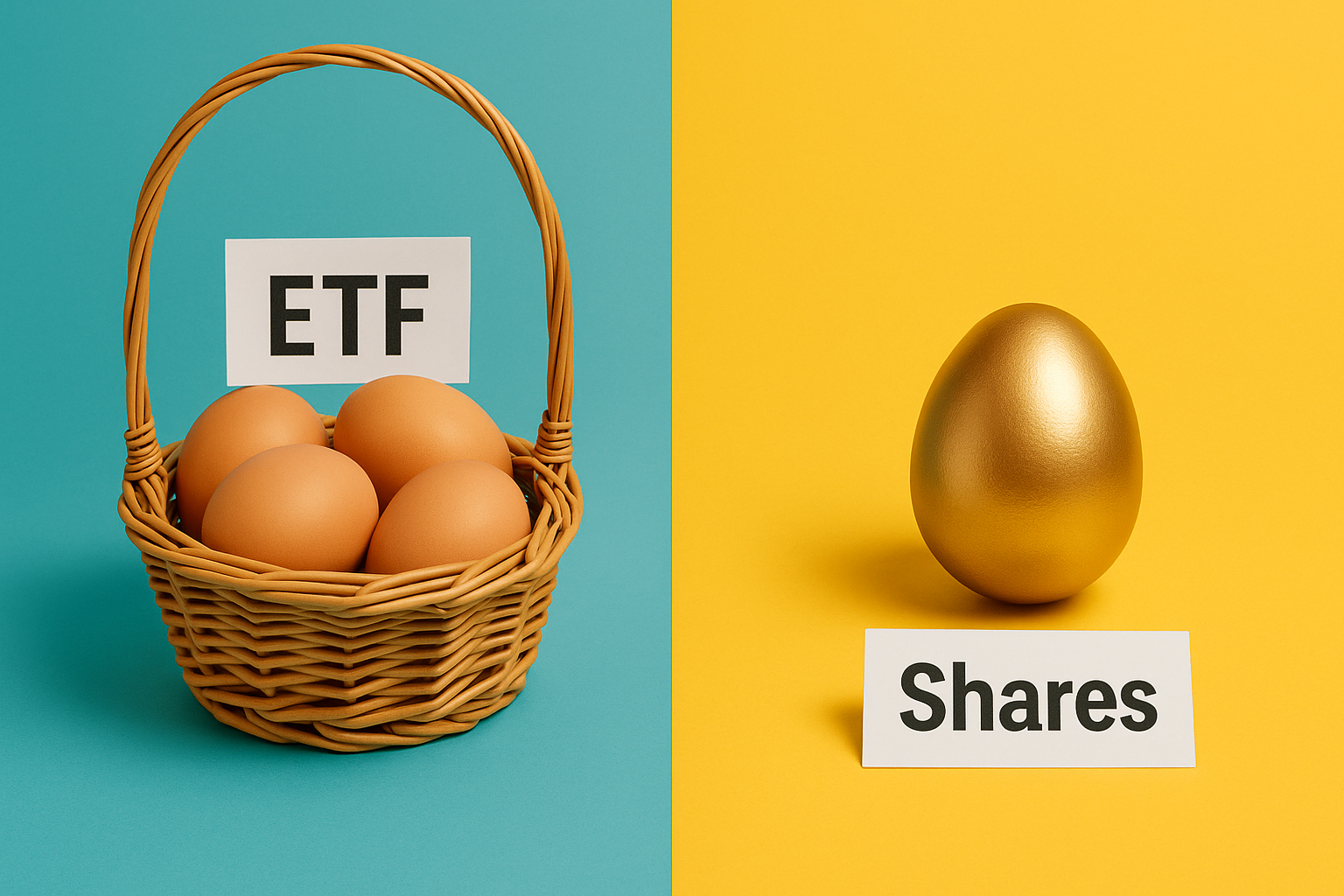
What you should check before reacting
Read the buy-back announcement beside the latest financial results. Check the cash spent, debt level, number of shares cancelled and reasons given by the board. Knowing what you own and why you own it can help you assess the transaction instead of reacting to the headline.
 Liz Thorne
A buy-back can improve per-share figures without improving sales, profit or cash generation. You need to separate the share-count effect from the company’s financial condition.
Fewer shares can benefit existing shareholders, but the price paid and the company’s finances determine what the transaction means for your investment.
Comments ()