

Dividend figures can look confusing when the company announcement and your account show different amounts. Knowing which numbers to compare makes it easier to check the payment.

Dividend day is one of the few times an investment becomes money you can see in your account. A company announces a payment, you wait for the date, and then the amount that arrives is lower than expected. Before you assume something went wrong, it helps to know that the figure in the announcement may not be the amount paid into your account.
The first deduction is usually the dividends tax
South African individuals who receive dividends from South African companies usually have 20% dividends tax withheld before payment. According to SARS, local dividends are generally exempt from income tax, while the paying entity withholds dividends tax at 20%. A 100-cent dividend on 100 qualifying shares gives you R100 before tax. A 20% deduction takes R20, leaving R80 in your account.
The company announcement gives you the amount before tax. Your account gives you the amount after the required deduction. Comparing the two without checking the tax line can make a normal payment look like an error.
 Liz Thorne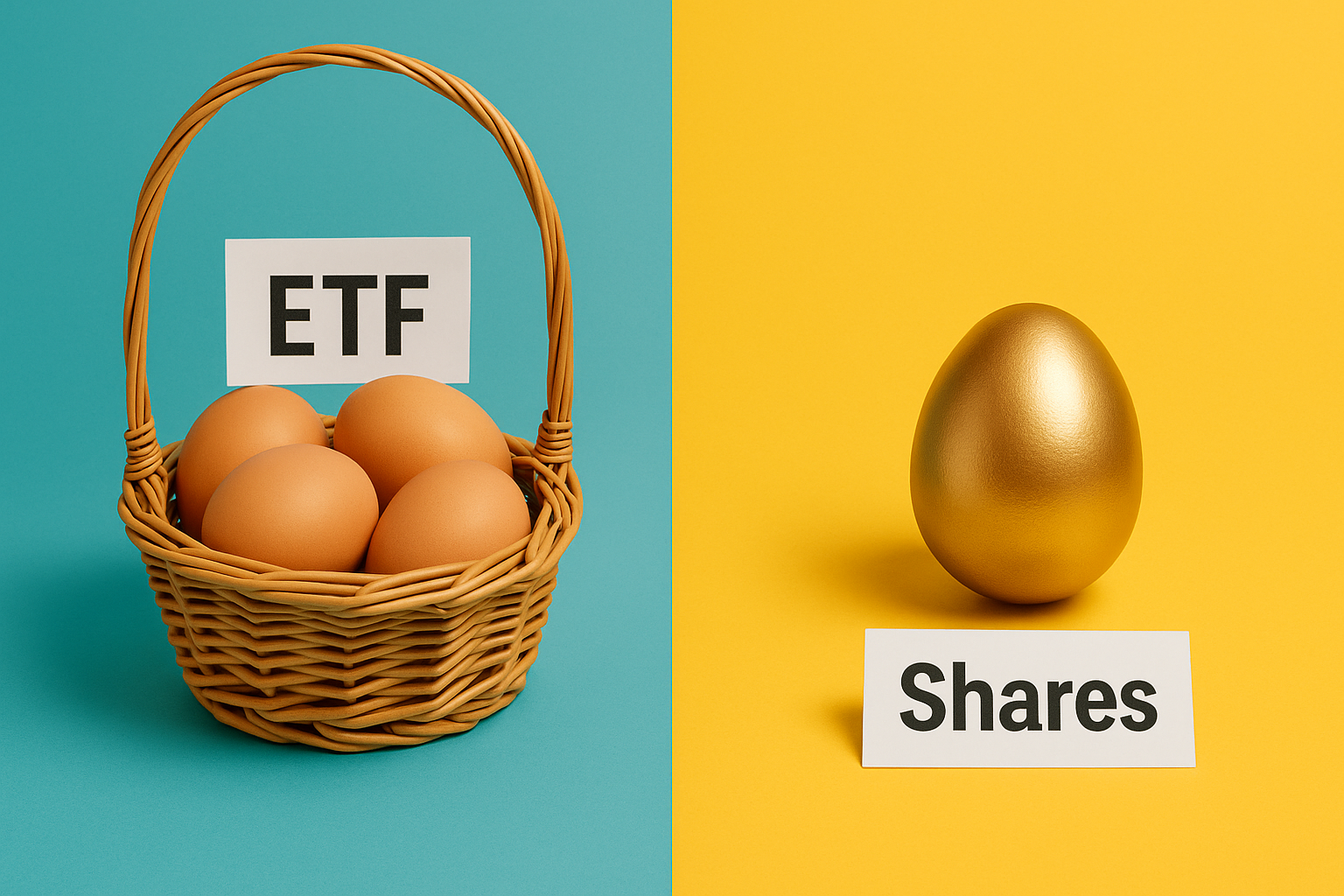
You must qualify for the payment
A declaration does not mean every person who owned the share at some stage gets paid. The JSE uses a declaration date, last day to trade, record date and payment date to establish who receives the dividend. Your qualifying share count is important. If you qualified with 80 shares, the declared amount is multiplied by 80, even if your account shows a different number.
The dates apply to company shares, while ETF distributions can have their own payment details. Understanding the difference between ETFs and individual shares can help you read each notice correctly.
 Liz Thorne
A tax-free account changes the deduction
Returns earned inside an approved tax-free investment account are free from dividends tax, income tax and capital gains tax, according to SARS. An ordinary investment account does not get that treatment. Checking how a tax-free investment account works can help you confirm which account you used before you compare the payout.
 Liz Thorne
Check the account entry before you complain
Look for the gross dividend, dividends tax, qualifying share quantity and net payment. Your platform may place the cash in your investment wallet, or use it to buy more units when automatic dividend reinvestment is active.
A dividend announcement shows the amount approved before deductions. Your account shows what reached you after tax and any account instructions. A lower payment is not automatically a mistake.
Compare the declared amount with your qualifying shares, the tax deducted and the account used. A few lines on your statement could explain the full difference. Once you know what to check, you can confirm where every cent went.
 Naomi Roebert
 Mariana Balt
 Lynette Spencer
 Anchen Coetzee



Comments ()