
Three November vehicle recalls in South Africa. Is yours affected?
You don't need to wait for a dashboard warning or a trip to the workshop to find out if your vehicle is affected by a recall. Keep reading to see which models made the November list.
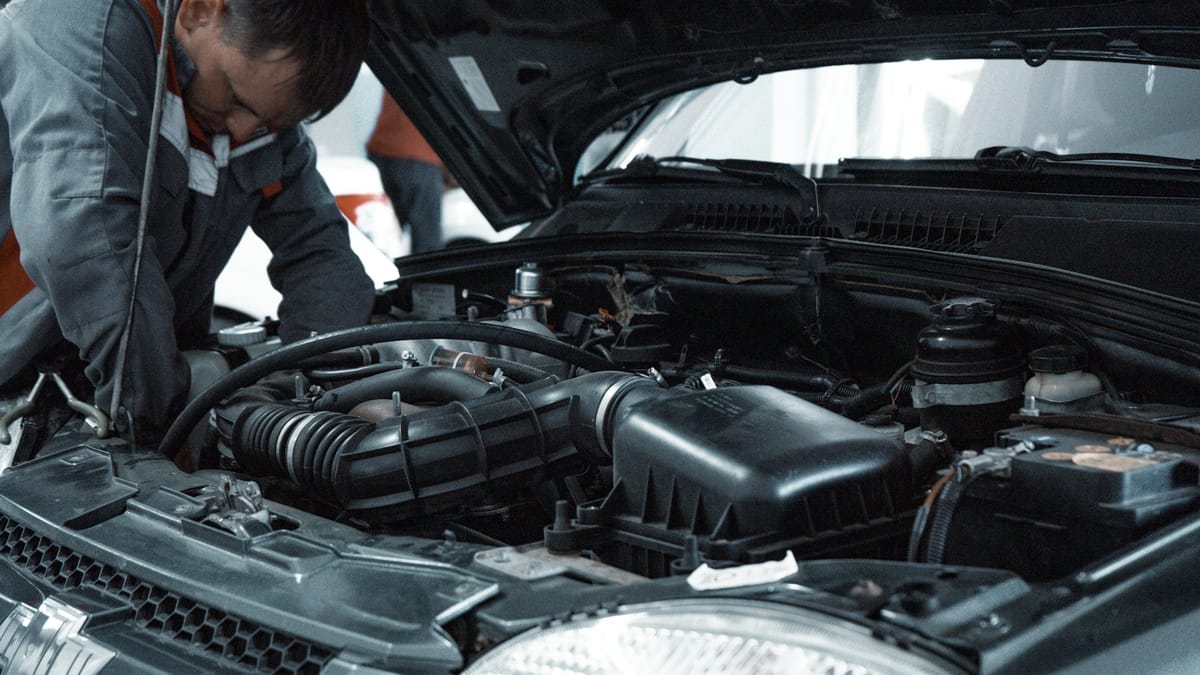
Your car might look perfectly normal on the driveway, start without a fuss and get you to work every morning. Unfortunately, a vehicle defect does not always announce itself with a warning light or an unusual noise.
November has brought three significant recall announcements from the National Consumer Commission (NCC), involving Jeep, Chery, OMODA and Volvo. The reported faults range from a potential fire hazard to rear axle defects and a possible injury risk involving front-seat head restraints. An earlier November announcement also affected Toyota RAV4 plug-in hybrids. Here is what you need to know about the three subsequent recalls and how to check if your vehicle is affected.
Jeep Wrangler and Gladiator owners should check their vehicles
Stellantis South Africa has recalled 1,896 Jeep Wrangler and Jeep Gladiator vehicles, with 1,881 sold nationally. The affected vehicles were made available for sale between 2021 and 2025. The problem concerns the electric hydraulic power steering pump (EHPS). An electrical connection may develop high resistance, potentially causing a loss of power steering assistance. More concerning is the possibility of overheating near the connection, which could ignite combustible materials and cause a vehicle fire.
If you own an affected model, contact an authorised Jeep dealership for an inspection and necessary repairs. The work comes at no cost to the owner. Jeep also offers a VIN checking facility on its website.
Chery and OMODA recalls affect more than 23,000 vehicles
There are 23,667 Chery vehicles across three models:
- Chery Tiggo 4: 17,508 vehicles sold between October 17, 2023 and March 27, 2024 may have welding irregularities around the rear axle sleeve. A failure could cause the axle to dislodge and the rear suspension to collapse.
- OMODA C5: 2,685 vehicles sold between February 2023 and July 2026 have a similar reported rear axle welding defect.
- Chery Tiggo 8 Pro Max 2.0: 3,474 vehicles manufactured from May 20, 2026 onwards face a separate concern. The front brake pipe may rub against the turbocharger assembly, potentially causing brake fluid leakage and reduced braking performance.
Affected owners should contact an authorised dealership for an inspection and possible repairs. Chery advises owners to check their VIN through its website. Any remedial work will be performed at no cost.
Volvo EX30 and EX30 Cross Country recall
Volvo Car South Africa has recalled 738 EX30 and EX30 Cross Country vehicles covering certain 2024 to 2027 model years. The concern involves reinforcement inside the front-seat head cushion. Under specific conditions during a sufficiently severe collision, the head cushion could pose an injury risk. Owners should contact their preferred Volvo dealership to arrange a recall appointment.
A recall notice is not proof that your individual vehicle has experienced a fault. It means the manufacturer has identified a potential safety concern within a defined group of vehicles.
Your vehicle might have served you faithfully for years, but a manufacturer's recall deserves attention regardless of its age or condition. A fault does not need to announce itself before it deserves investigation. Checking your vehicle identification number is a sensible first step, particularly when a safety-related defect is involved.
If you are unsure where to find your vehicle details, your registration paperwork provides useful identification information. You can also check your vehicle's VIN against its paperwork before contacting a dealership.
 Liz Thorne

A recall doesn't mean your car has a fault; it means a potential risk has been identified. Check your VIN before your next trip.

Comments ()