
What losing AGOA could mean for South African exporters
From citrus producers to vehicle-component manufacturers, South African exporters have varied exposure to the US market. A change in tariff treatment could affect industries in very different ways.
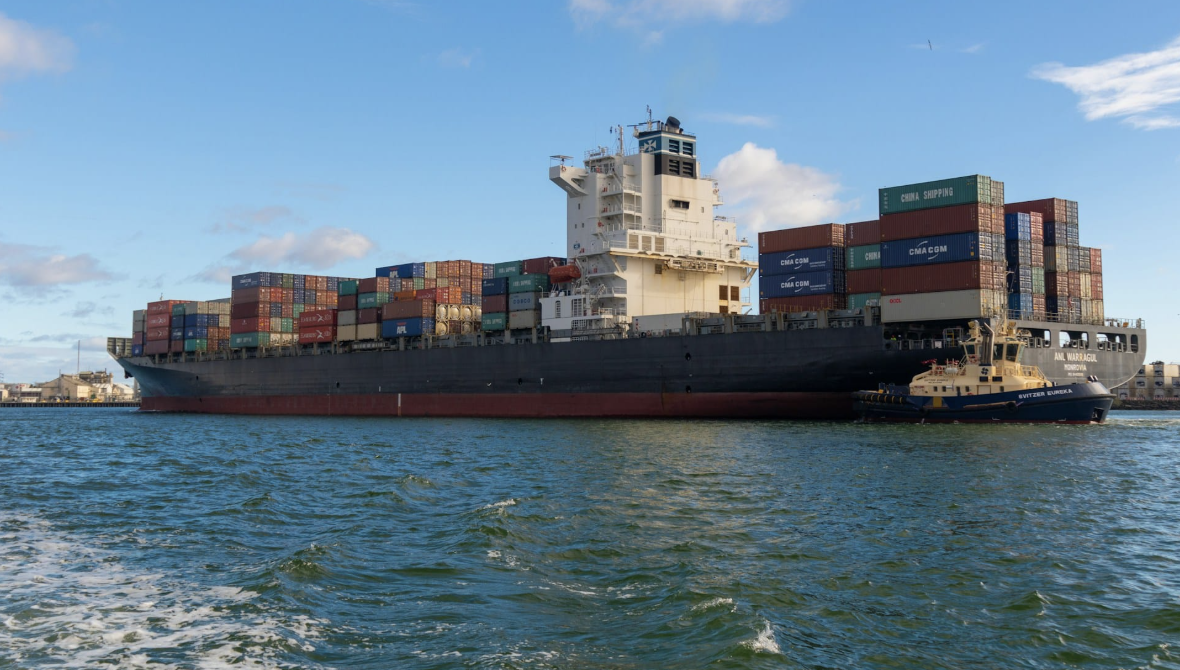
Losing a trade preference does not automatically mean losing an American buyer, but it could make South African exports more expensive to import into the US. On November 2, the US announced its intention to terminate South Africa’s beneficiary status under the African Growth and Opportunity Act (AGOA), with the change expected from January 1, 2027.
South African goods would not be barred from the US market, although qualifying products could lose preferential tariff treatment. For businesses with American customers, the concern is what happens to the cost of getting those products into the country.
AGOA's 60-day notice period
AGOA gives eligible sub-Saharan African countries preferential, generally duty-free access to the US market for qualifying products. The announced withdrawal concerns that preference. It does not amount to a ban on South African exports, which could continue under the World Trade Organisation's Most Favoured Nation (MFN) tariff regime, subject to applicable import requirements.
The dtic's exporter guidance explains that the 60-day notice period gives government time to address US concerns. If the US considers those issues resolved, South Africa retains its AGOA status. Otherwise, termination is expected from January 1, 2027.
The US market is not closing to South African goods. The change would be felt in the tariff attached to qualifying products and in the conversation between exporters and American buyers about who absorbs the additional cost.
The impact will vary by industry
The dtic identifies automotive components, agro-processing, fresh produce, citrus, wine, macadamia nuts, clothing and textiles, chemicals, pharmaceuticals and manufactured products among the sectors with significant US exports.
The list does not mean every company in these industries will face the same additional cost. Exposure depends on the product classification, applicable tariff and how heavily a business relies on American customers.
The importer pays the duty at customs
The US importer is liable for customs duties at the border, according to the dtic guidance. Exporters still need to discuss with buyers how any additional duty will be handled under existing contracts, delivery terms and purchase orders.
Existing orders and goods already in transit also need attention because their treatment depends on the commercial arrangements and customs rules in force.
Currency adds another layer for companies that invoice in dollars but pay local costs in rand. The exchange rate affects the rand value of those dollar receipts, making the rand's response to global markets relevant to the wider pricing calculation.
 Liz Thorne
Before January 1, exporters should confirm their product's HS tariff classification, whether it qualifies for AGOA, the applicable MFN rate and any separate US trade measures.
An export order starts long before a container reaches customs. Buyers and suppliers have already agreed on a price, a delivery schedule and who carries which costs. A change to tariff treatment puts those agreements under fresh scrutiny.



Comments ()