
Tap to Pay turns every iPhone into a card machine, but who benefits first?
Your iPhone can now double as a card machine in South Africa. The real question is who benefits first and who gets left behind.
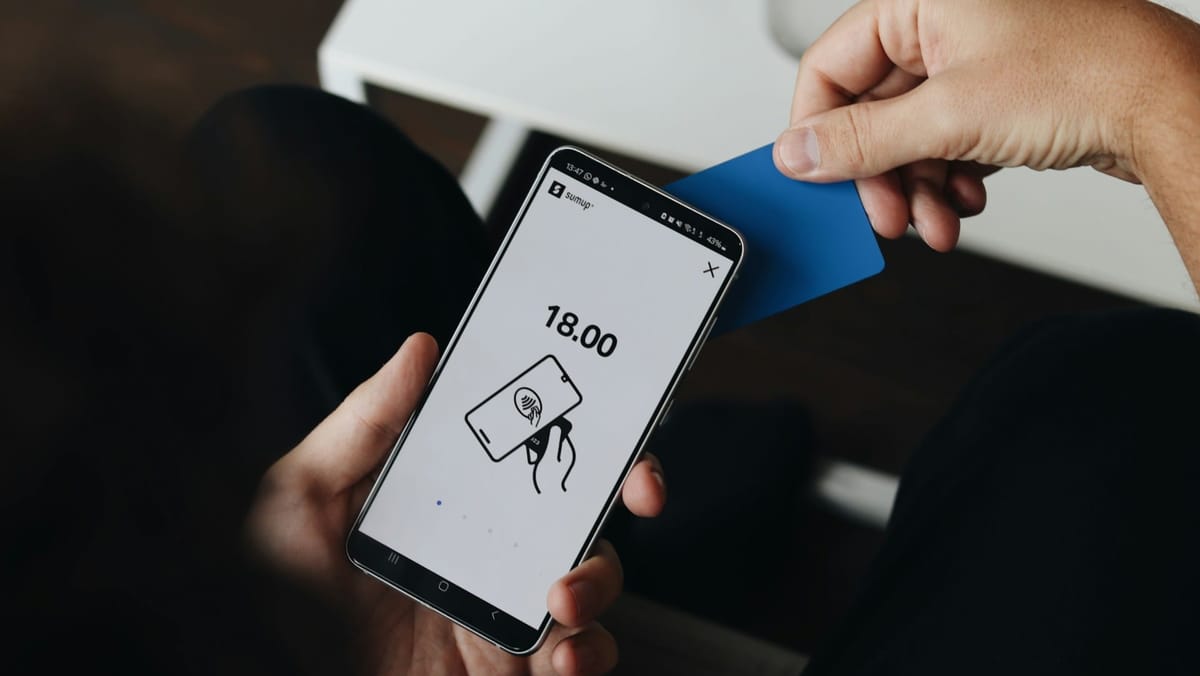
Apple’s new Tap to Pay option arrives in a country where phone wallets moved well past novelty at checkout. iPhone owners with side hustles, pop-up shops, and mobile services now have a new way to take cards without a second device. Apple said the feature is now live in South Africa, with Yoco and iStore Pay as the first local payment platforms at launch.
South Africa’s payment mix also has QR checkout on its own upgrade path. According to Apple, merchants can accept contactless debit and credit cards, Apple Pay, and other digital wallets with only an iPhone and a supported app.
Card machines never vanished because small sellers loved extra hardware. Cost, setup, and admin pushed many people back to cash, screenshots, and payment proof chats. Tap to Pay has appeal because one phone can now do work that once needed two devices.
Who Wins First
Weekend sellers and pop-up brands
A market table, thrift stall, bake sale, merch desk, or weekend rack looks like the first obvious win. Yoco says no extra hardware is needed, and sign-up can take under 15 minutes on iPhone XS or newer with iOS 18 or later.
Mobile service work
Hair techs, nail artists, photographers, tutors, repair pros, and beauty freelancers work face-to-face and away from a fixed counter. Apple pitches Tap to Pay as in-person contactless acceptance on the iPhone itself, which suits a handover at a home, venue, office, or event.
Small shops that want a spare till
Small cafés, boutiques, and bars may like it as a spare checkout when queues pile up, or a terminal fails. Tap to Pay is available through partner payment apps, which makes it an easy extra lane for merchants who don't want another box on the counter.
Tap to Pay will help first when an iPhone is in a pocket, and a seller has a client in front of them. A separate card machine turns from a business kit into dead weight when one app on one phone can do the job.
Who Waits Longer
Older phones and fee pressure
Not every iPhone owner qualifies straight away. The service requires an iPhone XS or later on iOS 18, and it lists pricing from 2.5% per transaction plus payout fees from R2.99. Zero terminal fee sounds attractive, but small margins still turn card acceptance into a maths problem.
Cash-first trade
Cash-first trade will be slower. Apple and its launch partners focus on contactless cards and digital wallets, while South Africa’s QR payment upgrade shows how many checkout habits still have to exist side by side.
Bigger retail setups
Larger retailers have POS stacks, stock tools, and staff permissions. Tap to Pay might only be used as a backup lane or queue fix, but the first upside looks smaller, more mobile, and less formal. Apple sells it as a payment app capability, not a full retail overhaul on its own.

Comments ()