
From tickets to tap-to-pay: The tech behind Cape Town weekends
A night out in Cape Town depends on more than a good venue and a free table. Tickets, payments, and transport are handled through your phone, setting the pace of the entire evening.
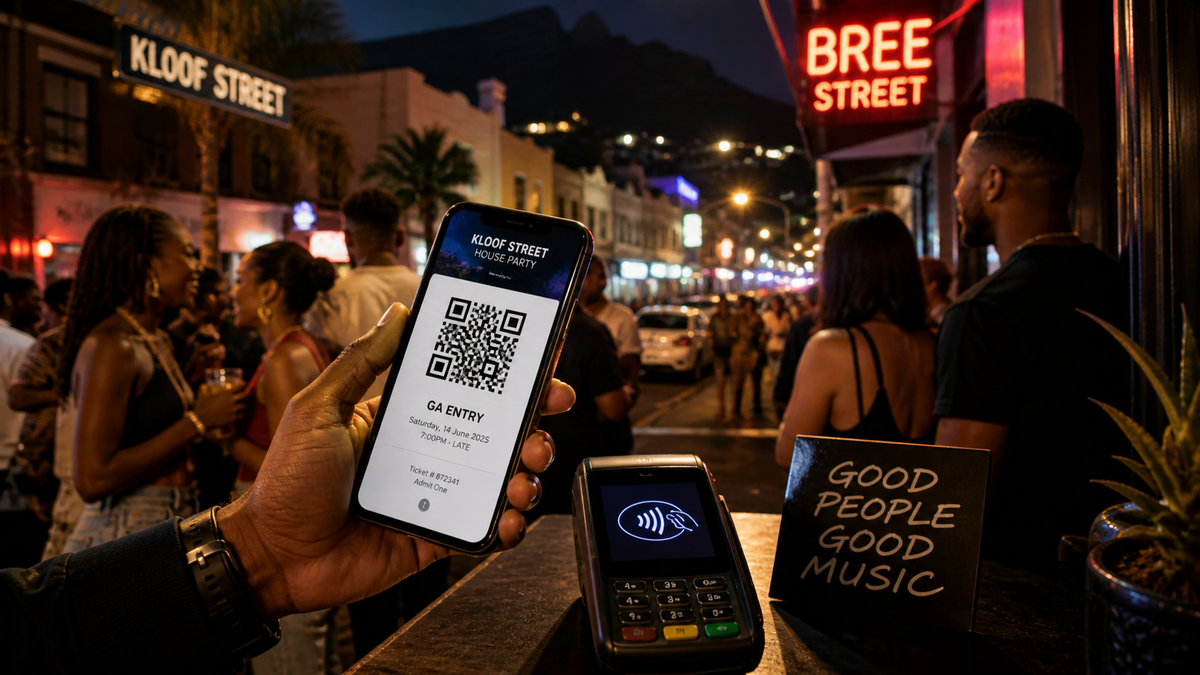
Cape Town weekends run on booking pages, map pins, card terminals, and ticket scans long before anyone steps into a venue. A night out in the city can move from ride-hailing costs to scan-to-pay checkouts in minutes, with each stop handled through a phone screen or payment terminal.
Sea Point dinners, Bree Street bars, Green Point events, and late queues outside city venues all require the same digital admin in different forms. Tickets, transport, payments, and booking proof have merged into the weekend routine, which is why a Cape Town social plan now looks less like spontaneity and more like a relay between platforms.
The night starts before anyone leaves home
Group chats do the early planning
Cape Town plans rarely start on the venue site. Group chats, social posts, and forwarded links do the first round of admin, then the plan jumps to a ticketing platform once somebody commits. WhatsApp has become one of the city’s main digital habits, while Quicket and Howler channel event discovery into digital checkout and confirmation.
Ticket links finish the job
Quicket’s Cape Town listings show how much local event life passes through digital ticket pages, from museum visits and niche cultural events to major weekend events. Howler sells ticketing, access control, and cashless payment tools as one organiser stack, which tells you where event admin is headed.
Tickets now do more than prove entry
- Ticket pages confirm price, venue, time, refund rules, and entry details in one place.
- QR codes do gate duty at many events, which ties your night out to battery life, inbox access, and signal at the worst possible moment.
- Larger events now handle on-site spending through the same system, using cashless tools such as RFID-linked event payments.
Digital tickets handle more than admission; they confirm payment, hold venue admin, and in some cases link entry with event spending. Cape Town’s weekend tech story starts at the ticket page because the ticket is no longer a small PDF in an inbox.
It is part pass, part receipt, part reminder, and part backup plan when a venue queue extends down the block. A Cape Town night out can fail for very modern reasons. A dead battery, a weak signal, a stale screenshot, or the wrong card in the wrong wallet can stop a plan long before anyone starts blaming traffic.
Getting into town is its own system
One city, several rails
Cape Town is beautiful until it is time to cross it on a Friday evening. One person opens a ride-hailing app, another loads a map link, and anyone on MyCiTi still needs a MyConnect card, because the service is card-based and passengers tap in and out on the journey.
Weekend travel is still patchwork
MyCiTi operates on its own card system, while ride-hailing apps rely on pins, timing, and pricing. Nobody would call that one unified setup, and Cape Town doesn't attempt to present it as one. A weekend plan in the city still means switching between tools, with one app handling directions, another handling the ride, and a separate card handling part of the public transport mix.
The till has changed the social script
- Contactless card payments are an everyday checkout option in South Africa, including bars, coffee shops, taxis, and other quick-pay settings.
- Yoco sells handheld point-of-sale tools that let merchants take payments tableside or away from the counter.
- PayShap offers instant interbank payments through participating banks, while Capitec indicates payments up to R100 are free on its platform.
- The Reserve Bank’s QR+ standard is meant to make QR codes work more smoothly between providers.
Less time is now spent waiting at the till during a Cape Town night out. A card, phone, or watch against a terminal can settle the first round, while an instant payment or QR scan can settle the “you owe me for the Uber” message on the way home. One small ritual has changed the social rhythm of a night out: fewer cash handovers, ATM detours, and long debates over who still owes R86.
Where the system still falls short
A single phone holds the ticket, directions, payment options, and much of the social coordination, while the city requires switching between platforms depending on the venue, the transport choice, and the merchant at the counter. The experience might look seamless, but it's pieced together from separate systems that don't always fully connect.
Weekend life in Cape Town depends on doing the invisible admin well. Tickets, taps, scan codes, pins, validators, and split payments are part of the social scene, even when nobody names them in the moment. Cape Town hasn't become one seamless digital playground, and that may be the point. A city weekend feels human when the tech fades into the background and leaves the night to the people.


Comments ()