
Do banks charge for cash deposits into your own account?
Cash in your wallet is yours, but getting it into your bank account may have a price tag. Check what your bank charges at an ATM or branch before deciding where to pay it in.
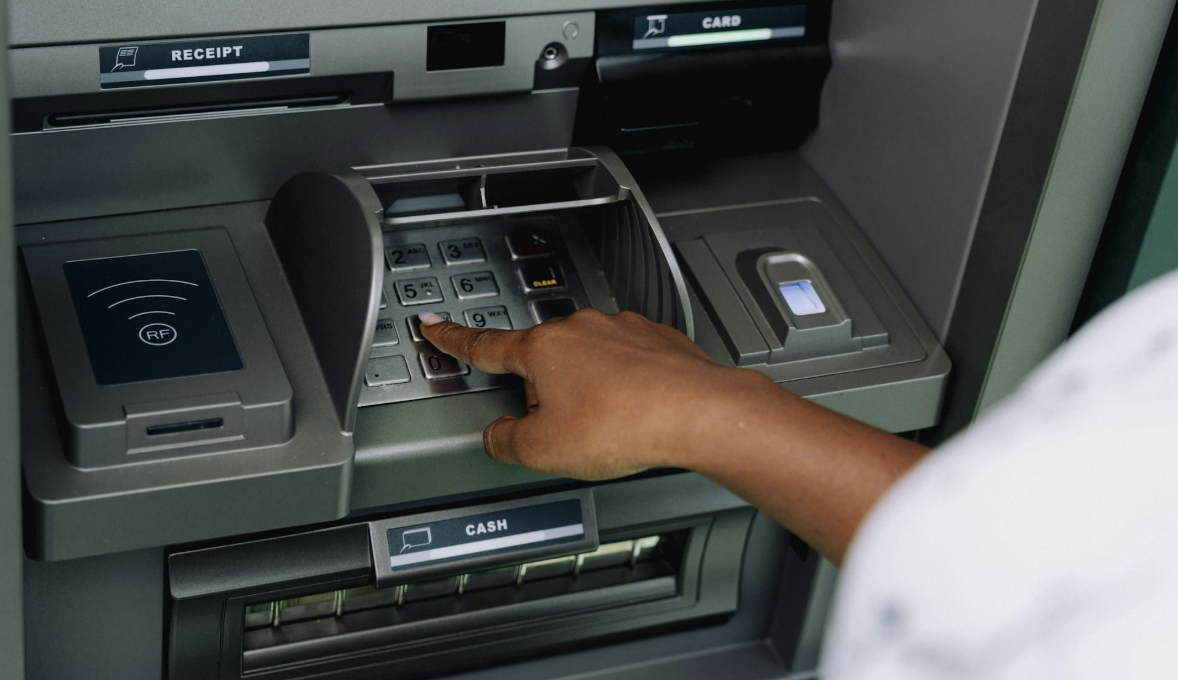
You have cash in your hand, an account in your name and a plan to deposit the money, only to discover that your bank may charge you for putting your own money back into your account.
The short answer is yes. South African banks can charge you to deposit cash into your own account. The fee depends on your bank, account type, deposit method and the applicable pricing schedule. Paying cash into your own account does not automatically mean the transaction is free.
Why does your bank charge you to deposit your own cash?
Banks classify cash deposits as transactions with associated fees. The charge can apply whether you deposit notes at an ATM or visit a branch, although the amount may differ by channel.
Standard Bank's 2026 Access Account pricing guide, for example, lists a fee of R1.80 per R100 or part thereof for ATM note deposits. A branch deposit attracts R100 plus R5 per R100 or part thereof. In other words, a R1,000 cash deposit at an ATM would cost R18 under that specific pricing schedule. The branch charge would be considerably higher.
Your money does not become someone else's money because you hand it to a bank teller. Yet the transaction can still attract a fee, even when the account belongs to you and the cash came from your own pocket.
Does the deposit method make a difference?
Yes. An ATM deposit, a branch transaction and a cash deposit through a participating retailer may have different charges.
Your account type is important, and a fee listed for one Standard Bank account does not automatically apply to another Standard Bank customer.
Before you make a deposit, check the cash deposit section of your account's pricing guide. Look at the charge per R100, any fixed transaction fee and whether the bank offers a monthly free deposit allowance.
You should also distinguish between a cash deposit and an electronic transfer. An EFT from another account is not the same transaction as handing physical notes to a cashier or depositing cash at an ATM.
How do you avoid paying more than necessary?
Start with your latest bank statement. Look for cash deposit charges and compare the amounts with your bank's current tariff.
You can also review bank fees that eat into your monthly budget to identify other charges worth checking.
 Liz Thorne

Before your next deposit, ask your bank whether another deposit channel costs less, whether your account includes any free cash deposits and whether a different account tariff would suit your banking habits.
Your bank account is a place to store your money, not a guarantee that every transaction comes free. Cash deposits have their own pricing rules, and the method you choose can change the fee. Knowing the tariff before you hand over your money gives you a chance to decide whether the charge is worth paying.
Explore our publications | Ontdek ons publikasies
 Liz Thorne

 Lynette Spencer

 Naomi Roebert

 Liz Thorne

 Mariana Balt



Comments ()