
Digital ID without a smartphone? Here's what it means
Digital identity promises convenience, but convenience does not look the same for every South African. A closer look at the draft rules shows where physical ID cards still fit into the picture.
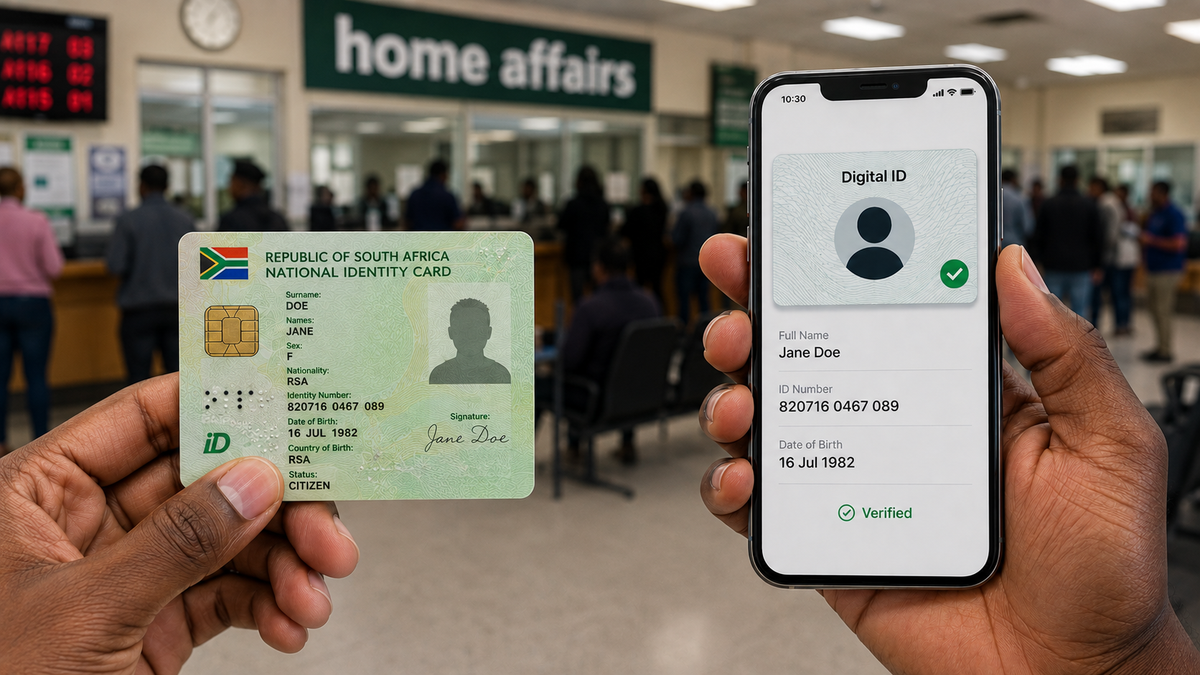

Your ID could soon be available on your phone. It might sound handy until the battery is dead, the screen is cracked, the device is shared, or the app refuses to open at the exact moment someone asks you to prove who you are.
South Africa’s draft Digital Identity regulations propose digital versions of identity documents, birth certificates and marriage certificates through the MyMzansi app. The system would also allow remote identity checks through biometrics. Home Affairs indicated the digital option would be available alongside physical documents, not replace the physical versions.
Your plastic ID card is not being cancelled
According to the draft, no one is forced to obtain a digital credential to continue using a valid physical ID. It also indicates the rollout must not unreasonably exclude people without a suitable device, reliable internet or help with digital services. The clauses settle the legal status. Each front-counter process still needs to honour it.
Getting the digital version would require an in-person enrolment visit, document checks, fingerprints, face capture, a verified mobile number and a link between the credential and one device. Home Affairs could reject a phone or tablet that fails security requirements. Enrolment points could include Home Affairs offices, selected private premises and mobile units.
South Africans have already seen how Home Affairs services through bank branches can reduce the queue without removing the in-person identity check. The draft protects the physical ID and bars unreasonable exclusion from the digital rollout. The test begins when a valid card reaches a bank, clinic, workplace or government counter beside someone else’s QR code.
 Liz Thorne
Household internet does not mean everyone has a suitable phone
Stats SA found that 78.9% of households could get internet through mobile devices in 2025. The percentage cannot tell you whether each adult owns a compatible phone, controls the registered number, has storage for another app or has data when proof of identity is needed.
A compatible handset is only one part of the equation. Battery life, data usage, device theft, repair costs, and control over the registered number could determine whether the digital credential is available when you need it. Phone theft would then become more than an expensive inconvenience. Securing your accounts after phone theft would become another urgent task if the same handset held your official identity credential.
 Liz Thorne
The unanswered practical details
The draft protects people without smartphones in principle, but it does not spell out every route a person would follow. Public instructions still need to explain offline proof, changed phone numbers, replacement handsets, shared devices, assisted service and phones that cannot support the app.
People also need to know whether a physical ID will be treated the same at banks, clinics, workplaces and government offices. Optional on paper cannot become compulsory through inconvenience.
Putting an ID on a phone could reduce paperwork and trips to Home Affairs. It cannot turn phone ownership into an unofficial entry fee for public life.
South Africa can place identity documents on a phone without making the phone the price of entry. The draft protects physical cards in law; banks, employers and public offices need to honour that protection at every counter. Your right to prove who you are cannot depend on battery life, mobile data or the handset in your pocket.
 Anchen Coetzee

Comments ()