
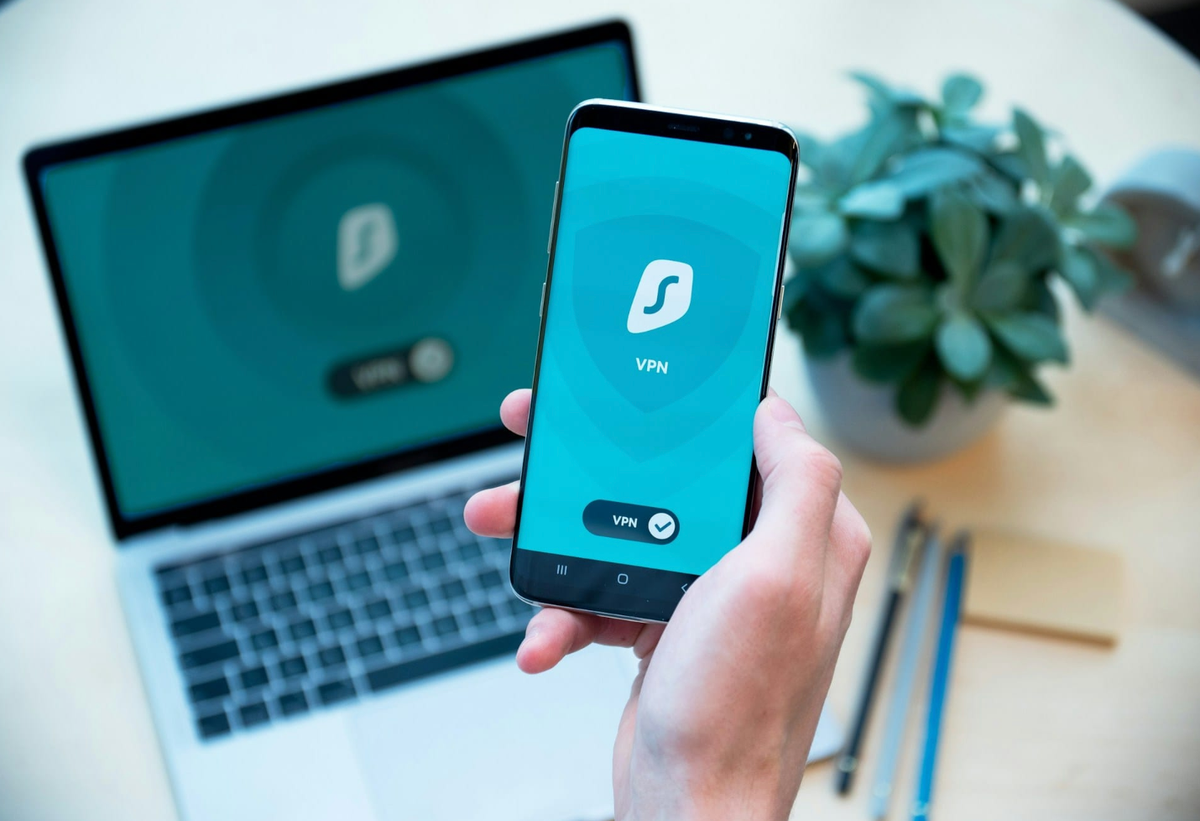
A website can treat a VPN connection very differently from your normal internet connection. The reason can involve IP addresses, location checks, account security and licensing rules.
You switch on a VPN because you want more privacy, open a website you use regularly, and get blocked. Turn the VPN off and the page works again. It can look personal, but the website may be reacting to the internet address presented by the VPN, not to you.
A VPN sends your connection through a VPN server before it reaches the website. The website sees that server’s public IP address instead of your usual public IP, which can affect location checks and access rules.
A VPN can make your connection look unfamiliar
VPN servers can serve many customers from the same pool of IP addresses. A website may see a large amount of traffic from one address, or recognise that address as belonging to a VPN provider or data centre.
Streaming services have another reason to check. Regional licences can limit where content may be viewed, and some streaming services identify IP ranges used by VPN services. A VPN server in another country can make the connection appear to come from that country, even though you have not gone anywhere.
A VPN replaces one visible network clue, but it does not give you a private doorway into every website. The destination still receives a public IP address, and access rules can reject that address even when your own activity is completely ordinary.
Privacy does not mean invisible
Switching IP addresses is not the same as erasing every clue. Your browser can still expose its version, language, time zone and other technical information. Device fingerprinting can use combinations of those signals to distinguish one browser setup from another. A VPN can alter the visible network address while other browser-level clues still exist.
 Liz Thorne
A site can also react differently after a login because the account itself identifies you. The VPN handles network traffic; it does not replace your account, browser or device.
What to do when the page refuses to load
Start by switching off the VPN briefly and reloading the page. If the page works, reconnect and try another server in the same country. A different exit IP may not face the same restriction.
If the site still blocks access, check whether the service explains VPN use in its help pages or terms. Avoid repeated logins or rapid server switching while troubleshooting, especially on accounts with security checks. If you need the VPN for work or privacy, contact the service and ask whether another access route is supported.
A blocked page does not automatically mean your VPN has failed. The website may be refusing the address presented by the VPN while the connection itself works normally. Knowing where the block happens can save you from changing settings that were never broken.
A VPN gives you more privacy, not guaranteed access to every website. Some services restrict VPN addresses to enforce location or licensing rules, and a legitimate user can get caught by the same restriction. Once you know the visible IP can affect access, the error page becomes much easier to understand.
 Naomi Roebert
 Lynette Spencer
 Mariana Balt


Comments ()