
Cape Town’s N2 Wall Debate: Safety, Tourism and a City Split in Two
The proposed wall along the N2 has pulled Cape Town into another difficult argument about safety, inequality and public money. Drivers want safer routes, while nearby communities question what the project could mean for them long term.
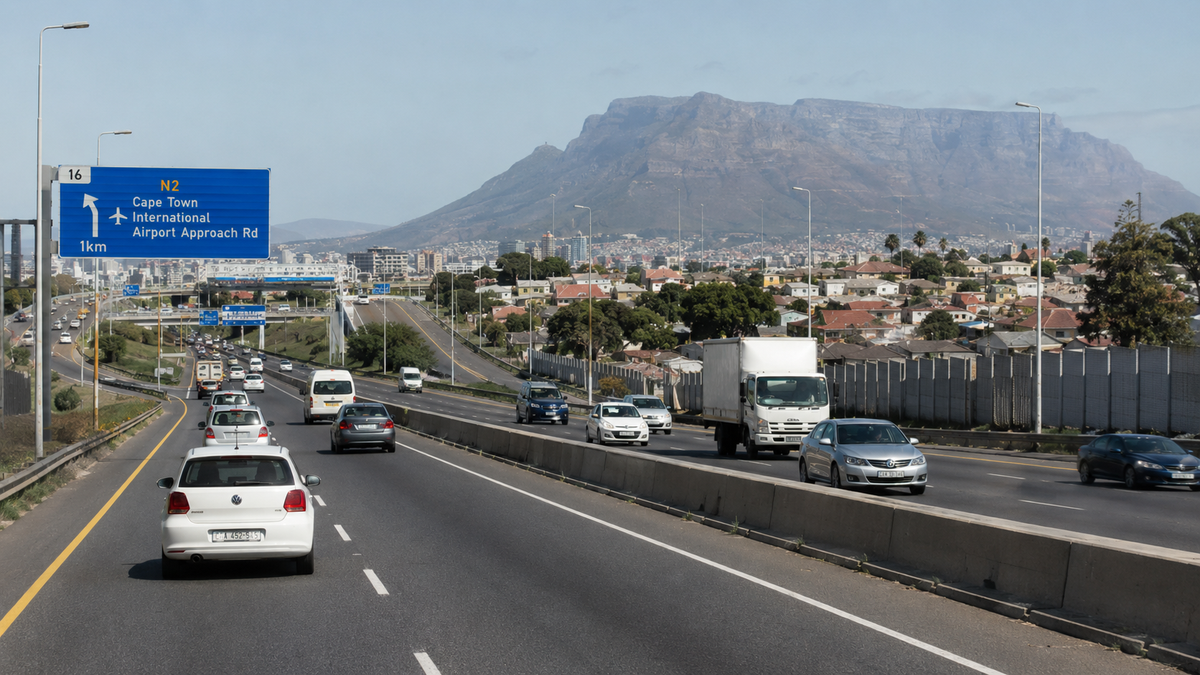
CAPE TOWN, Western Cape - Cape Town’s proposed N2 safety barrier has turned into a test of what the city chooses to protect first. The airport route isn’t only a road into town, but also part of the same phone-led city routine of tickets, payments and transport behind a normal Cape Town weekend.
Safety is the central issue, while the argument also revolves around airport access, tourism optics, township communities, commuter fear and public money. Cape Town millennials know the transport anxiety behind late-night rideshare decisions and route choices.
The City announced a R114m N2 Edge safety project in January, with barrier repairs, reinforcements and other safety work planned along the corridor and nearby community areas.
The proposed barrier will be between 8km and 9km long, and stand around 3m high along the route used by drivers travelling between Cape Town International Airport and the CBD.
A wall can make one driver feel safer while another resident feels ignored. Cape Town’s N2 debate pulls together safety, history, public money and the uncomfortable reality of how divided the city still is.
Why the N2 argument becomes personal
Airport road, city image
Visitors who leave Cape Town International do not see the city neutrally. The N2 is their first impression, Uber route, “is everyone sure this is the way?” moment, and sometimes their introduction to the inequality tourism campaigns prefer not to show.
Commuter fear is not theory
Many Cape Town workers use the N2 because alternatives cost time, energy, or money. Road safety isn't a luxury debate when your commute means choosing between arriving home faster and feeling exposed.
Township visibility
Critics argue that the project could treat poverty as scenery to hide from the world, especially along a route bordered by communities that have dealt with decades of economic exclusion and underinvestment. Supporters argue the barrier could reduce roadside attacks and make the route safer for drivers and nearby residents, where incidents have been reported for years.
Questions that millennials should be asking
- Will it reduce the specific crimes being discussed? If the barrier blocks easy highway access, the long-term crime numbers should reflect it instead of relying on political talking points or public relations spin.
- Who maintains it? If the barrier blocks easy highway access, the long-term crime numbers should reflect it instead of relying on political talking points or carefully managed press statements.
- What happens beside the highway? Safety on the N2 can’t mean improving one stretch of road while nearby communities continue dealing with the same unresolved problems.
- Where does the money go next? R114m isn’t pocket change, and Cape Town deserves follow-up reporting after the ribbon photos are filed in Social Media File 13 (lost and forgotten).
Why the wall is only half the story
The deeper tension isn’t between safety and compassion because Cape Town needs both. Drivers need protection on the N2, and a family living near the corridor also needs reliable services, mobility and trust from the same city.
A barrier might change how the road works, but it won’t repair the relationship between the airport city, the commuter city and the township city on its own. Acting police minister Firoz Cachalia told Parliament the project could help with situational crime prevention, while warning infrastructure can’t replace visible policing or investigations.
Cape Town millennials don’t need another culture-war shouting match. They need a city where travelling home, welcoming visitors and seeing each other as neighbours can become (and stay) part of everyday life. If the N2 wall goes ahead, the question isn’t only whether it blocks danger, but whether Cape Town can protect people without hiding them.



Comments ()