
Can drones bring healthcare closer to rural South Africa?
South Africa has tested drones for blood and medical sample transport. The next step is proving whether the service can support rural patients beyond a demonstration flight.
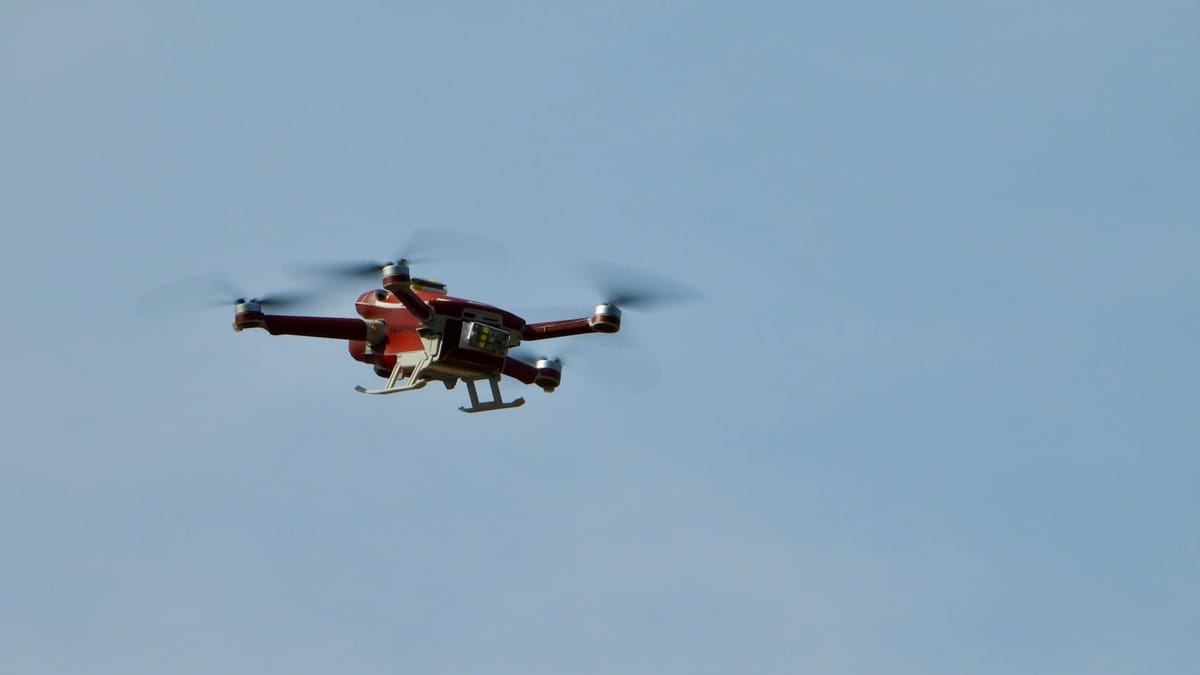

If the nearest blood bank is far from a rural hospital, every road kilometre becomes part of the response time. A medical drone could take a more direct route between an approved base and a health facility, with a small, time-sensitive load. However, there are a few considerations.
The flight is not the hard part
SANBS received a licence in August 2022 to deliver blood and essential medical samples by drone. The approval allowed medical flights under South African aviation rules, although it does not tell you how many routine deliveries took place, what each trip cost or how many patients received care sooner.
A drone does not treat you, diagnose you or staff the clinic. It transports a small medical package between approved points, while health workers and blood-service controls handle the medical work. Its value comes from the trip it may shorten, not the spectacle of the flight.
A quicker route does not change how medicine prices reach your pharmacy bill. It may help a rural facility receive blood or a patient sample sooner.
 Liz Thorne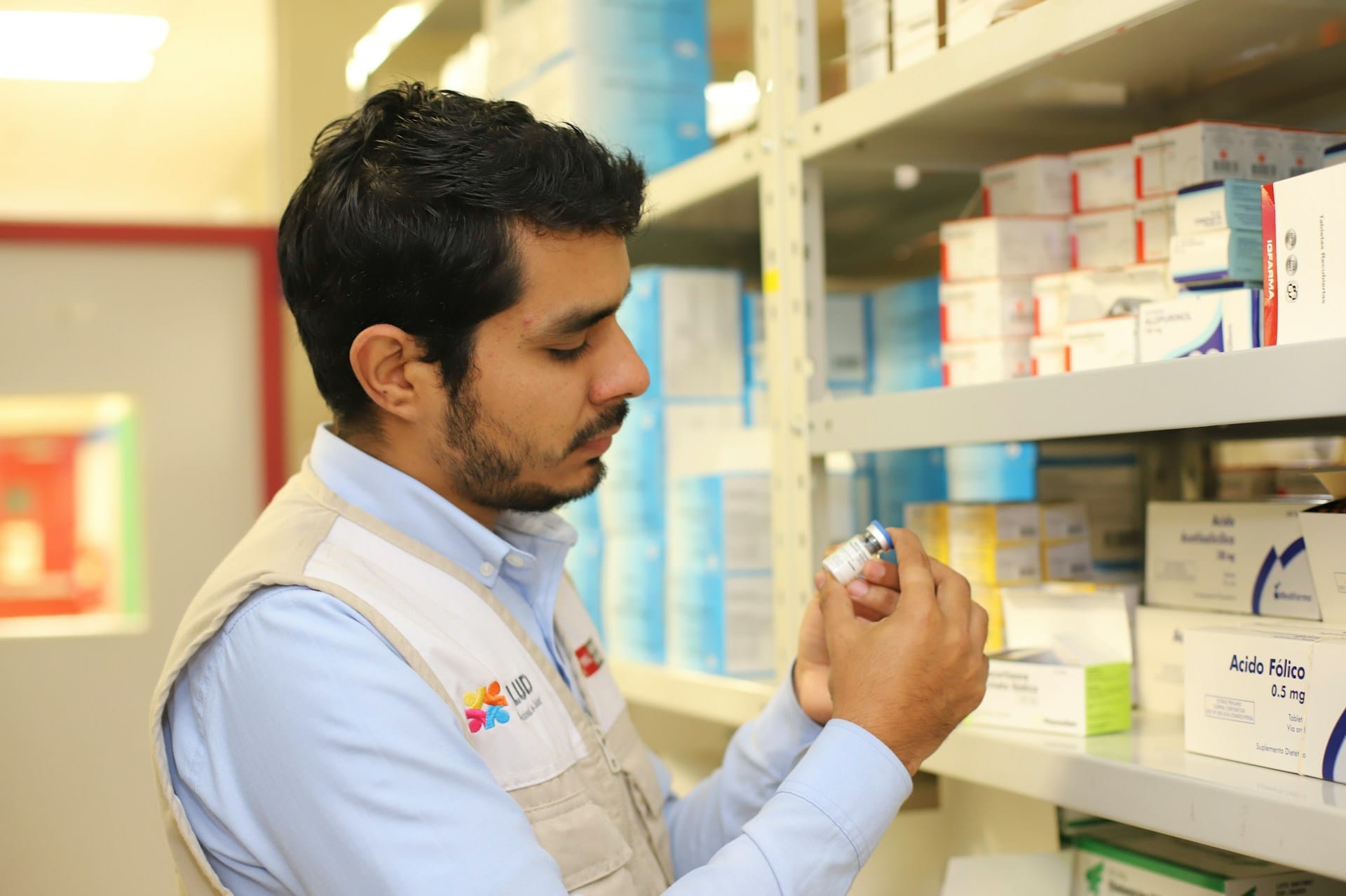
A drone cannot replace a health system
A medical drone needs trained operators, approved routes, secure handover and a clinic ready to receive the package.
SACAA guidance says remotely piloted aircraft should be within visual line of sight and fly during daylight in suitable weather, unless an operator has approval beyond those limits. Faster transport cannot resolve medical aid shortfalls that reach you after treatment. The aircraft deals with distance, not the full cost or quality of care.
 Liz Thorne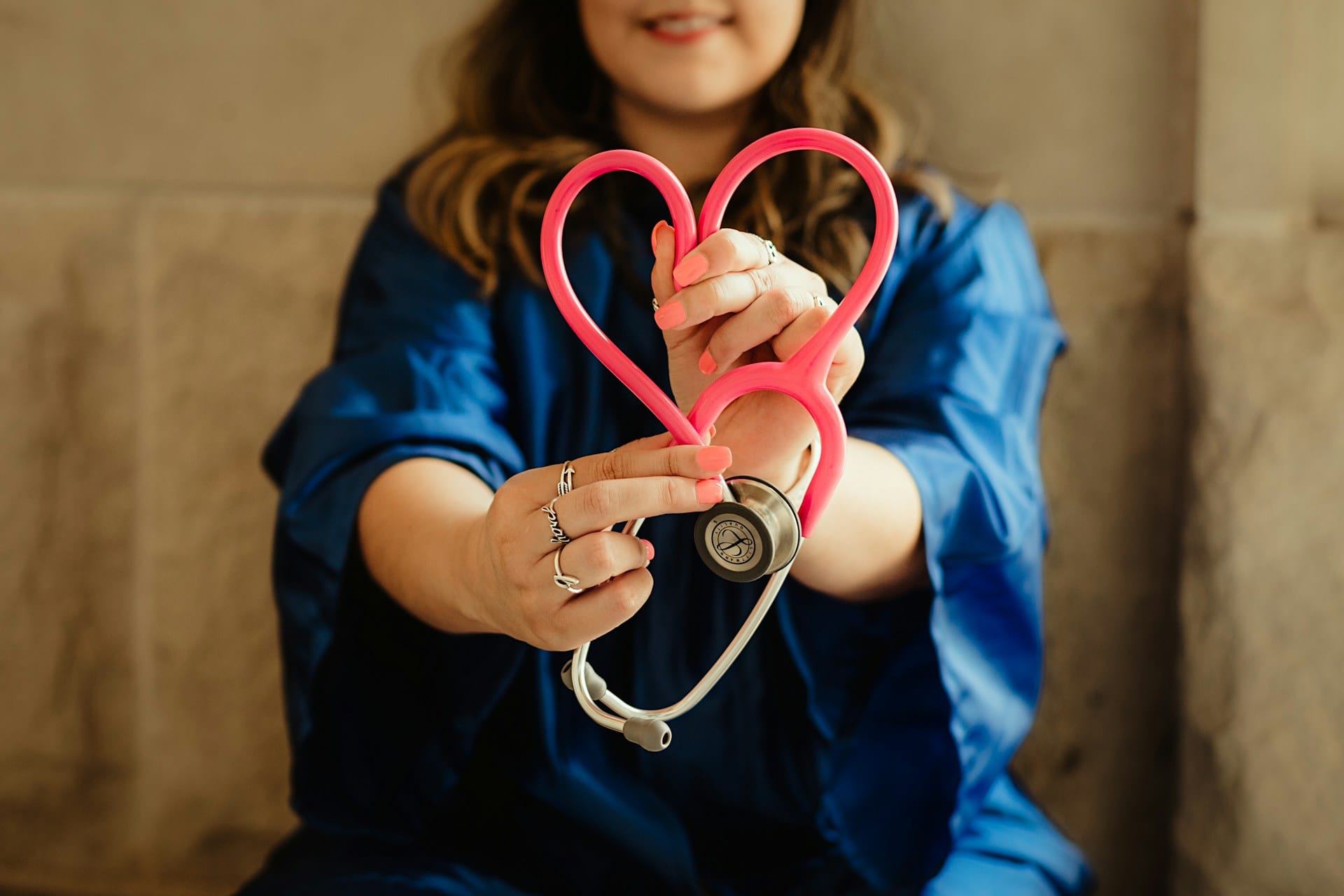
Distance has a digital side
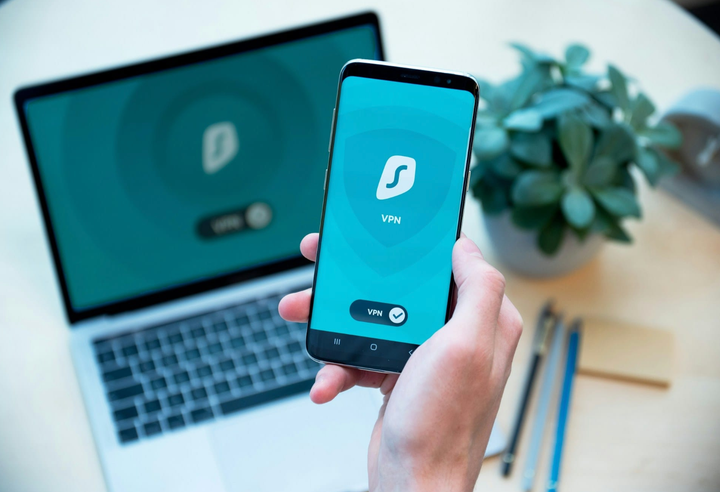
The base and clinic may need dependable communication for flight control, tracking and handover. Internet access outside major centres can become part of the service where connected systems support those tasks.
 Liz Thorne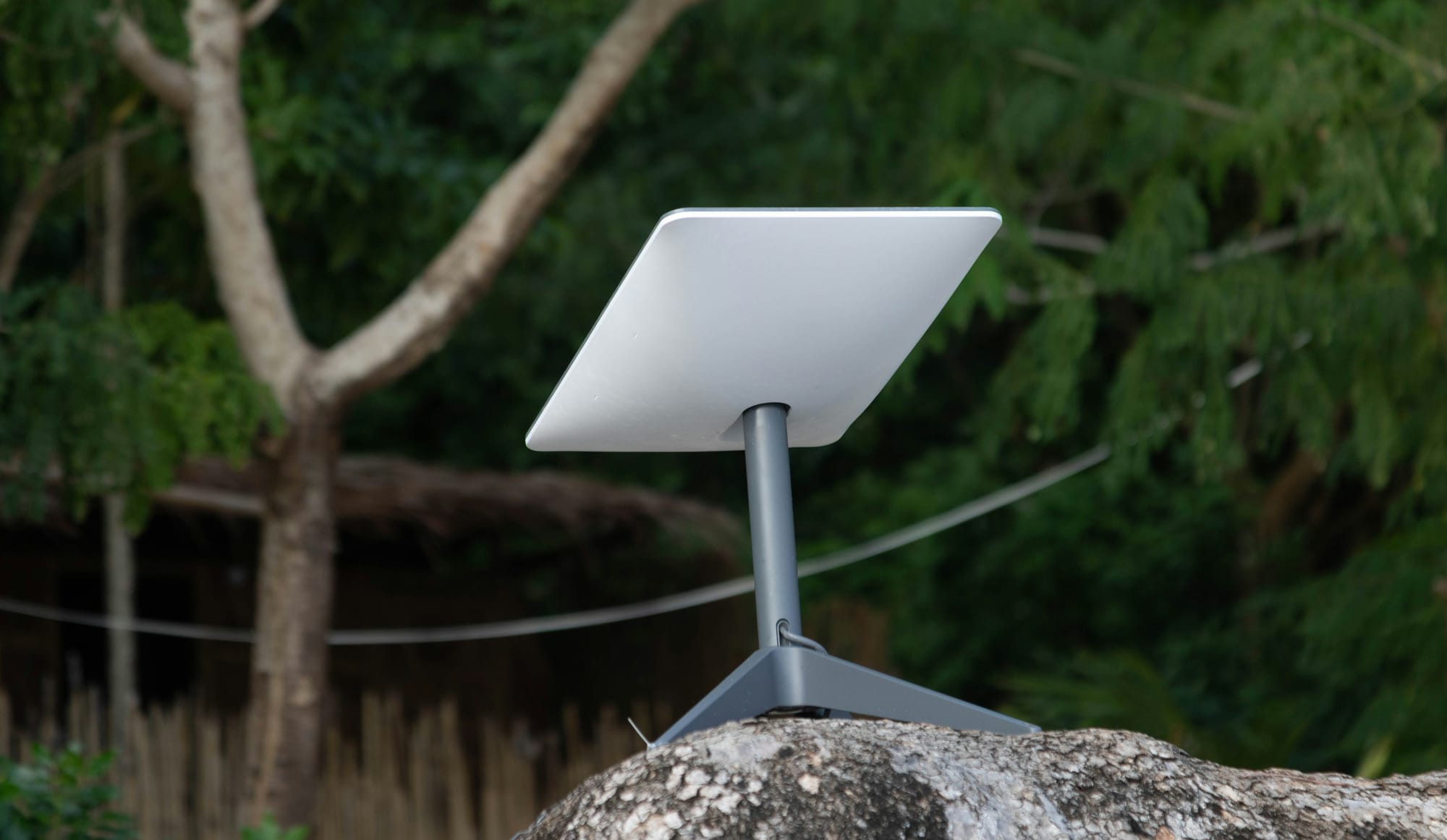
A successful demonstration proves one flight worked. A credible health service needs published delivery times, failed-flight records, package temperatures, cost per trip and patient numbers. Road and drone results also need comparable routes and payloads.
The drone is the visible part. Your care depends on the blood bank, flight approval, cold storage and the health worker who receives the package. A failure at any stage can erase the time gained in the air.
If you are waiting for blood in a rural hospital, the drone itself means very little. What counts is whether the right supply reaches you sooner than it could by road, with every safety check intact. South Africa needs evidence from routine deliveries before anyone can say the technology has brought healthcare closer to the people who need it.
 Mariana Balt
 Naomi Roebert
 Lynette Spencer

Comments ()