
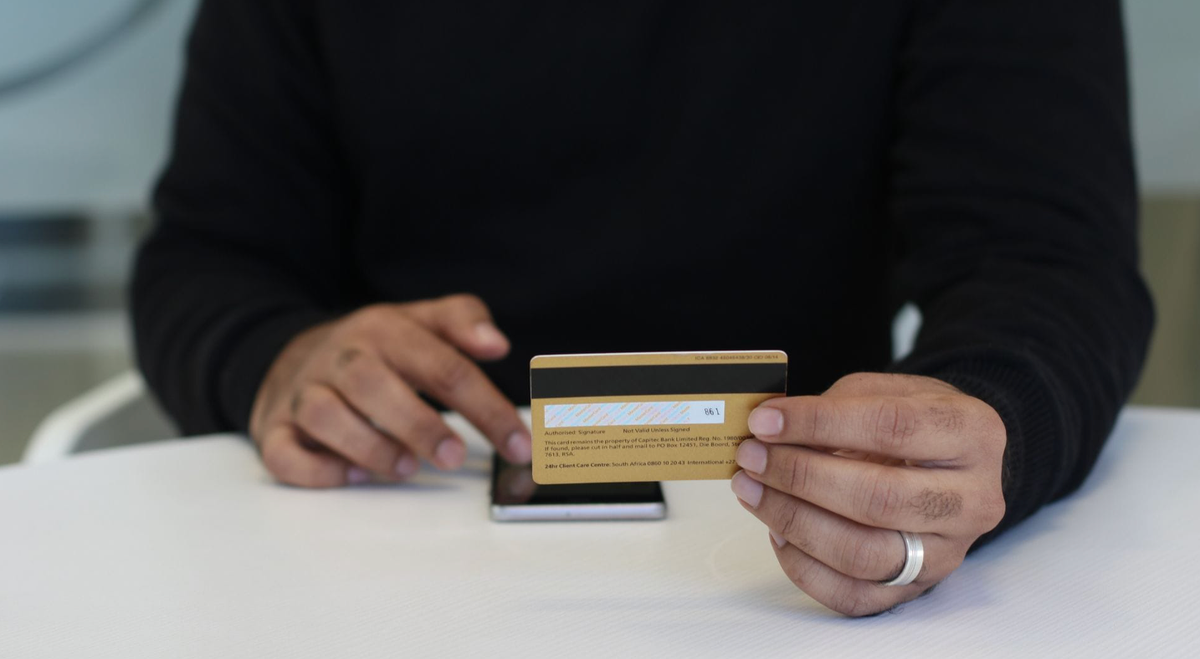
Seeing different card numbers in your banking app can look odd at first, especially when the money comes from the same place. Virtual cards use separate payment details for a reason.



Open your banking app and compare your virtual card with the plastic card in your wallet. You may find a different 16-digit number, expiry date and security code, even though both draw from the same account. Your bank has not accidentally invented a second version of your money; it has created a separate set of payment credentials.
The difference is quite interesting once you know what those digits are doing. A virtual card can separate the details you use online from the details printed on the card you carry.
One account, two sets of card details
Capitec’s virtual-card guidance explains that its virtual cards are not duplicates of its physical cards. Each virtual card has its own card number and CVV while linking back to an account. You can use one for online purchases, mobile wallets and Scan to Pay, which connects with QR payments in South Africa.
Your virtual card is not a copy-paste of the plastic card. The account behind both can be the same while the credentials you enter at checkout are different. A bank can also let you replace the virtual card separately from the physical card.
The mismatch has a security purpose
Most virtual bank cards have a unique 16-digit number, its own expiry date and a dynamic CVV that changes periodically. Those details are separate from the physical card, which means an online checkout can use the virtual credentials instead of the number printed on your plastic card. The distinction is easier to understand when you look at card-not-present fraud. If virtual credentials are exposed, the physical card number was not the number entered for that purchase.
Different digits, familiar checkout
A separate number does not mean the virtual card is limited to obscure online purchases. Standard Bank’s virtual card (and that of most other banks) supports online shopping, recurring payments, QR and Scan-to-Pay purchases, and in-store payments through a digital wallet. Its Virtual Credit Card also uses a dynamic CVV. If you already pay with Apple Pay or Google Wallet, a virtual card can fit into that phone-based payment routine. The physical card can stay in your wallet while the virtual credentials handle supported digital transactions.
The different number is deliberate, not a mistake. Your virtual card can draw from the same account while exposing different credentials at checkout. One small detail on your banking app can reduce how widely your physical card number is shared.
Once you know what the different digits are doing, a virtual card stops looking like a strange copy of your bank card. It gives online and app payments their own credentials while your plastic card has separate details. The next time the numbers do not match, you know the mismatch is deliberate.
 Anchen Coetzee
 Anchen Coetzee
 Lynette Spencer
 Naomi Roebert
 Mariana Balt

Comments ()