
AR glasses in 2026: What's available, and what to consider before buying
From R8k display glasses to R30k AI hybrids, the pricing spread is wide. The difference between clever buy and costly mistake comes down to category choice.
🔴 You might also like to read:
 Liz Thorne
 Liz Thorne
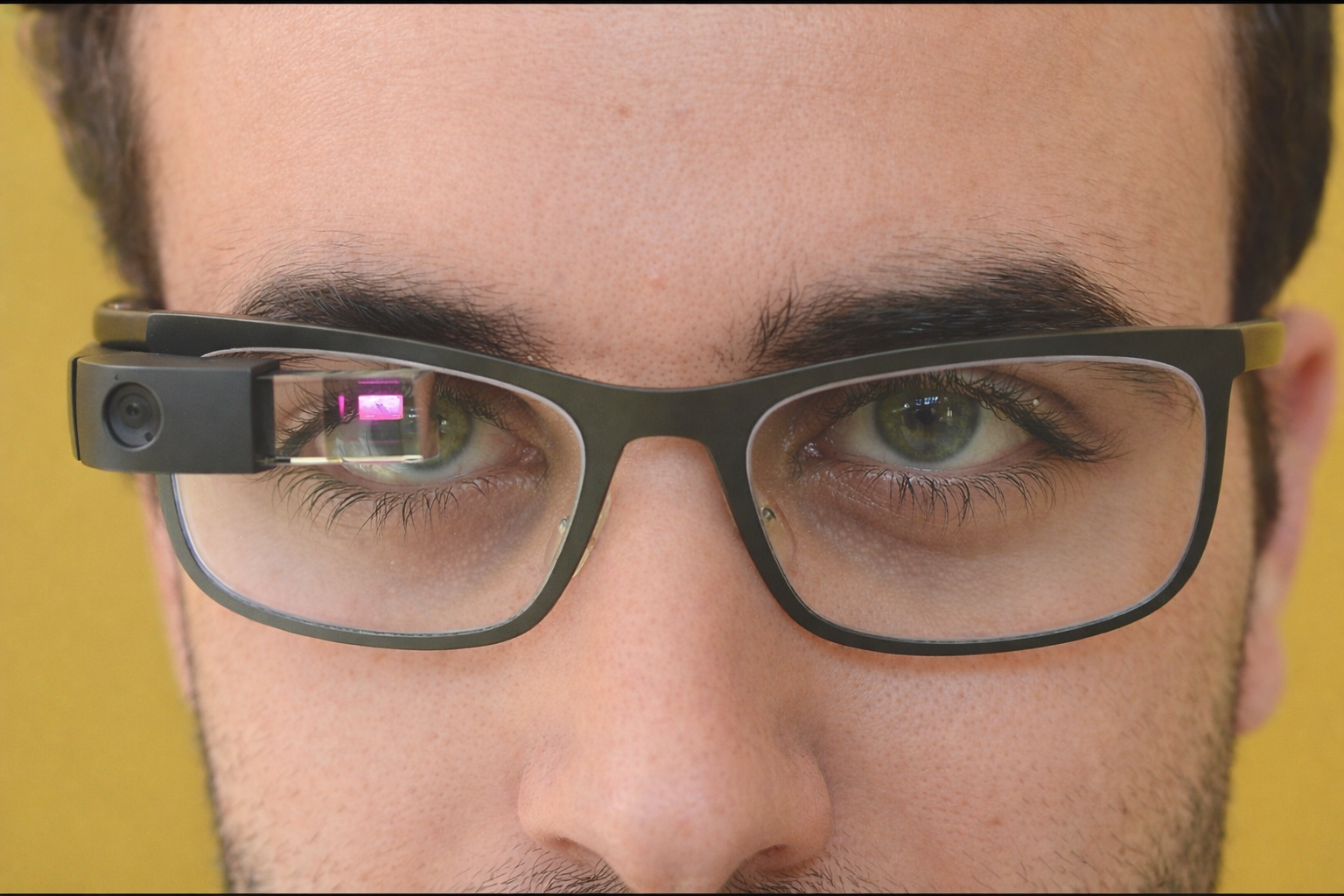
South African millennials have heard the wearable pitch before, namely the “next big platform,” “AI on your face,” “future of computing,” (cue dramatic soundtrack). AR glasses in 2026 are not such a new thing anymore, and the question now is, which one do you buy?
A useful starting point is the same SA buyer pricing reality check you’d apply to flagship phones, because launch buzz means nothing until you compare pricing, support, and usage costs.
Shopping discipline counts even more here because AR/AI glasses blur three categories at once: eyewear, gadgets, and subscriptions. A compare-before-you-buy workflow beats hype every time, especially when VAT, accessory bundles, and app support can influence the costs and your overall experience.
What is available in SA right now?
AR glasses are not theoretical in South Africa, and several major retailers and specialist XR stores have live listings with pricing, checkout, and delivery options.
In local retail, the visible lane is display-first AR/XR glasses. Brands such as XREAL, ASUS AirVision, Viture, and Rokid appear on platforms including Takealot, Makro, Computer Mania, and specialist tech resellers.
Local pricing already shows a steep ladder, from entry display glasses near the low-thousands to premium AI+AR models above R30k. The spread is wide enough that buyers need to decide on use case first, then price, and not the other way around.
XREAL One Pro
- Features: 120Hz Full HD Micro-OLED display, Bose-branded audio (per listing titles), display-first AR positioning, USB-C device compatibility
- Worth it for South Africans? Yes, if you want a premium portable screen for travel, gaming, or laptop use. No, if you expect complete sci-fi AR overlays or a standalone phone replacement.
- Price Range: ±R13,000 to R15,500
- Where to Buy: Takealot, 180by2, Makro
XREAL One
- Features: 120Hz Full HD Micro-OLED display, built-in audio, mid-tier display AR positioning, broad device compatibility
- Worth it for South Africans? Yes, if you want strong display performance without stepping into top-tier pricing. No, if you need camera capture or advanced AI features.
- Price Range: ±R10,400 to R10,700
- Where to Buy: Takealot, Makro
ASUS AirVision M1
- Features: 1920x1080 Micro-OLED display, built-in audio, productivity and gaming positioning, USB-C laptop/handheld compatibility
- Worth it for South Africans? Yes, if you are deep in the ASUS/PC ecosystem and want a portable second screen. No, if you want lifestyle AI glasses with cameras.
- Price Range: ±R8,000 to R11,500
- Where to Buy: Takealot, Computer Mania, ASUS SA partner channels
Viture Pro XR
- Features: XR display glasses positioning, media and gaming focus, adjustable diopter (per product marketing), portable screen use case
- Worth it for South Africans? Yes, if you want a display-focused AR experience under the XREAL One Pro tier. No, if you expect full AI HUD features.
- Price Range: ±R8,000 to R14,000
- Where to Buy: Makro, GeeWiz
Rokid Max 2
- Features: AR display glasses positioning, media and gaming focus, lightweight wearable screen category, USB-C device compatibility
- Worth it for South Africans? Yes, if you want marketplace availability with a display-first focus. No, if you want deep AI integration or camera-led features.
- Price Range: From R10,000 for only the glasses, and R11,600+ for the glasses and Station
- Where to Buy: Takealot
What SA buyers should check before paying
Stock status wording
“In stock” does not always mean it's sitting in a local warehouse. Some listings reflect local shelf stock, while others reflect marketplace sellers or trigger an overseas dispatch window after payment. Delivery estimates can go well beyond what the product page headline suggests. Always check dispatch notes, estimated delivery timelines, and who fulfils the order before paying.
Use case fit
XREAL One and XREAL One Pro are perfect for display-first use, namely portable screens for movies, gaming, and laptop extension. ASUS AirVision M1 falls within the same productivity and gaming lane, and Viture Pro XR also plays in that display-focused space.
Rokid-branded models and higher-tier AI/AR variants offer excellent smart features such as AI interaction, translation, or heads-up prompts.
Buying a display-first model while expecting camera-led AI features is a category mistake, and buying an AI-focused model when what you want is a crisp virtual monitor is another one. Decide the lane before you look at the price.
Prescription and lens options
Some smart glasses support prescription lens inserts or custom lens swaps, which can increase total cost and extend delivery time. Not every model supports this. Display glasses and AI glasses handle lens inserts differently. Buyers who need prescription correction should confirm compatibility first, not after checkout.
Warranty and returns
AR glasses are still niche hardware. Battery issues, dead pixels, connection glitches, or firmware quirks are highly possible. Warranty handling can vary depending on whether the product is fulfilled locally or shipped in from outside South Africa.
Check return windows, repair handling, and whether support is local or routed internationally. A lower sticker price loses its charm quickly if the turnaround time for a fault can take months.
AR glasses are not impulse buys. Category choice, delivery logistics, prescription compatibility, and support path all sit ahead of brand hype in the decision stack.
🔴 You might also like to read:
 Liz Thorne
 Liz Thorne

Comments ()