
Unwanted sales calls may become easier to challenge under South Africa’s new opt-out rules.

South Africans who are tired of saying "please remove my number" to one company after another now have a national system for recording that refusal. Regulations gazetted on April 15 place the Opt-Out Registry under the National Consumer Commission. These amendments take effect this month.
Direct marketers must register with the commission and remove registered consumers from marketing lists before they contact them. Non-compliance may lead to an administrative penalty of up to R1 million or 10% of annual turnover, whichever is higher.
The registry puts more responsibility on the business to make contact. A consumer records the refusal in one place, while the direct marketer must check whether contact is permitted before starting the sales pitch.
The NCC consumer portal allows you to log in, record a pre-emptive block and update your personal details when needed. However, you will need to remember to update the record after changing a phone number or other registered contact information.
A registered block does not automatically turn a phone into a sealed line. The system applies to direct marketing, while fraudulent calls, spoofed numbers and other unknown callers could still get through. Phone settings such as call screening and spam blocking can work alongside the legal protection by filtering calls on your device.
 Liz Thorne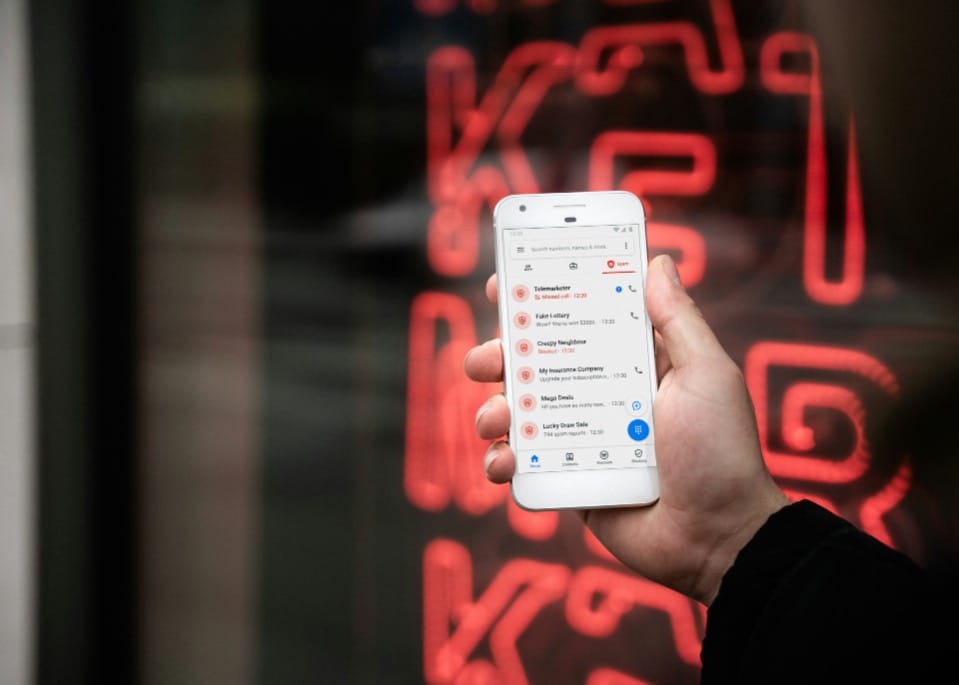
You can choose a block against a specific business or the direct marketing industry more broadly. Government guidance also advises consumers to report businesses that continue making contact after an opt-out and to update registry details when contact information changes.
If you plan to submit a complaint, you should save the date, time, caller number, company name and any follow-up message. Remember, any caller who asks for an OTP, password or payment approval should be treated as a security risk instead of an unwanted salesperson. A familiar voice should not be seen as proof of identity, especially since audio can be copied or imitated.
 Liz Thorne
One national refusal is very different from ending the same sales call twenty times.
The registry could turn a spoken refusal into a record companies are required to respect. However, the next unwanted call becomes the test of whether that protection exists beyond the page, or whether the burden falls back on you.
 Anchen Coetzee
 Naomi Roebert
 Mariana Balt



Comments ()