
MyCiTi uncertainty adds pressure to Cape Town’s work commute
Public transport only works when it works every day. When it doesn’t, your budget takes the hit before anything else does.
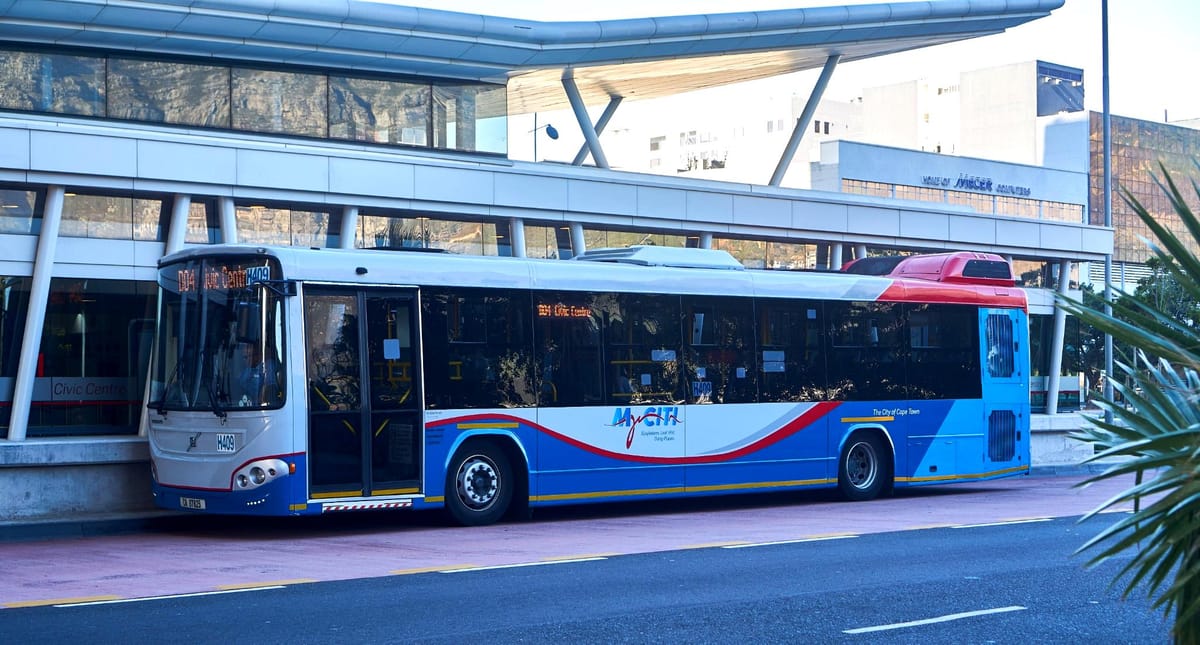
CAPE TOWN, Western Cape - MyCiTi has become one of those systems Cape Town only notices when something looks off. Treasury now plans to phase out the Public Transport Network Grant, and the City has warned that both current services and the Cape Flats expansion could face trouble, which turns a policy note into the kind of emergency money problem nobody slots into a Sunday night budget.
Route stress is not new in this city. One missed connection, one late tap, one extra taxi leg, and a neat split-salary system can lose its balance before the month reaches week two.
Where the wobble starts
The grant problem
Treasury’s 2026 budget circular indicated that the grant will be discontinued, while the City asked for urgent clarity because MyCiTi and Phase 2A rest on that support. Phase 2A links Khayelitsha and Mitchells Plain with Wynberg and Claremont, which puts the pressure squarely on one of Cape Town’s busiest work corridors.
Why Capetonians should care
CBD jobs, hospital rosters, retail hours, agency life, and hybrid office rules all depend on one dull truth. When public transport becomes unreliable, the entire month starts working around your commute.
A MyCiTi wobble is not a transport policy story for council files. It is a 06:20 alarm, a top-up queue, a missed transfer, a late swipe at work, and cash gone long before Friday. Cape Town asks commuters to patch routes together, and each patch has a price.
It’s never just the fare
What MyCiTi charges now
MyCiTi’s pay-as-you-go page lists saver and peak fares by distance, with free transfers within 45 minutes. A 10 km to 20 km trip costs R23.50 in peak time or R18.50 in saver time, while a 20 km to 30 km trip costs R25.50 or R21.50.
Where your budget takes a knock
Few Cape Town trips end as one neat fare. Trouble starts when a bus leg fails, a worker taps out late, or a backup taxi turns one bus budget into a mixed-transport mess.
- Card top-ups before Monday
- A small taxi buffer after one missed bus leg
- Clock-in pressure after a late arrival
- Lunch bought near the office because food from home was left on the counter
A bus fare can look manageable in isolation. Cape Town’s work trip becomes expensive when one weak link turns a single tap into a chain of extra costs no budget line ever warns about.
Ways to protect your month
- Load card value before Monday, and leave one backup amount on it.
- Check if one office day can start earlier, allowing you to travel during saver time.
- Map a second route before you need it.
- Put backup transport in its own mini pot, even if the number looks insignificant.
- Ask work whether one remote day can ease the roughest week.
Cape Town loves talking about public transport in the language of strategy, corridors and long-term plans. Commuters know the uglier version. A wobble in MyCiTi cash support doesn't stop at City Hall; you see it in early alarms and the effort to reach work without the rest of life falling apart.



Comments ()