

Bitcoin and Ethereum do not naturally speak to each other. WBTC gives Bitcoin holders another way to interact with apps on Ethereum.

You have Bitcoin and want to do something with it on Ethereum, but there is a problem because Bitcoin cannot work directly on Ethereum apps.
Wrapped Bitcoin, or WBTC, gets around that problem.
WBTC is a token on Ethereum that follows the value of Bitcoin. One WBTC is intended to be backed by one Bitcoin held in reserve. It gives you something that behaves like an Ethereum token while its value follows BTC. If you are buying WBTC rather than wrapping Bitcoin yourself, check the fees and spread before you buy.
 Liz Thorne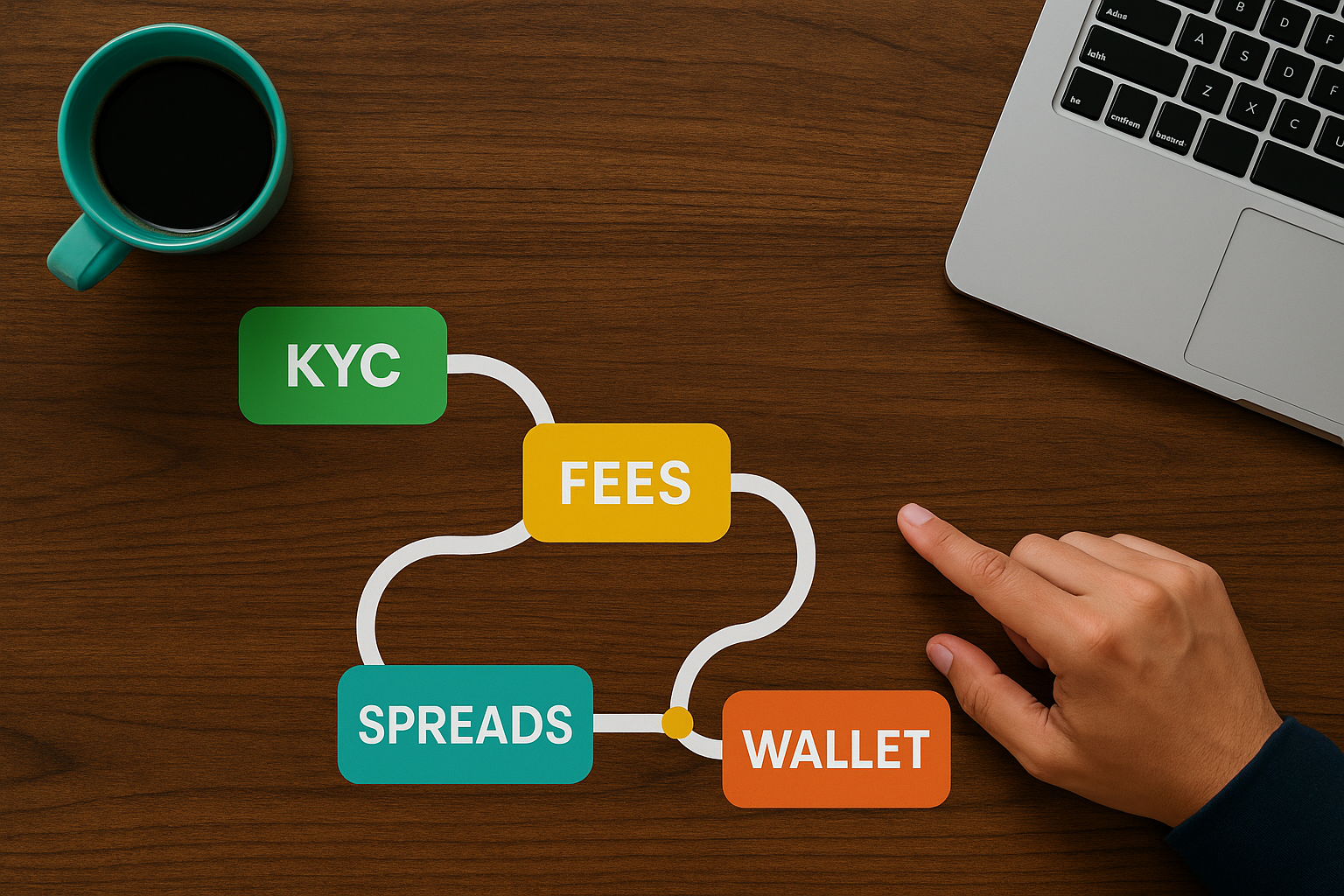
Why not simply send Bitcoin to Ethereum?
The two networks speak different technical languages. Bitcoin is native to the Bitcoin network. Ethereum apps accept tokens created for Ethereum. Sending ordinary BTC to an Ethereum address does not magically turn it into something an Ethereum app can recognise.
WBTC gives you a Bitcoin-linked token that Ethereum can recognise. You still have something linked to Bitcoin’s value, but you are no longer dealing with native Bitcoin on its own network. WBTC is a separate token with Bitcoin behind it.
You can then hold WBTC in a compatible wallet or interact with Ethereum-based services that accept it. If you control the wallet yourself, protecting your wallet and recovery details still deserves attention.
 Liz Thorne
Why would you want WBTC in the first place?
You might want to lend crypto, provide collateral or interact with a decentralised finance app that accepts Ethereum tokens but not ordinary Bitcoin. Compound is one example of a DeFi platform where WBTC can be accepted as collateral.
Your Bitcoin-linked value can therefore take part in an Ethereum-based service without native BTC entering the Ethereum network. You do not need WBTC simply because you own Bitcoin. If your plan is to buy BTC, store it or send it through the Bitcoin network, ordinary Bitcoin already does that job.
What changes once Bitcoin is wrapped?
You now depend on more than Bitcoin itself. WBTC relies on Bitcoin being held in reserve behind the tokens issued. It also relies on the custody setup and the technology involved in creating and redeeming WBTC. Those extra parts introduce risks you do not have when you hold native BTC directly.
Its market price can also differ slightly from Bitcoin at a given moment. Crypto prices already differ from one exchange to another, since each platform has its own trading activity.
 Liz Thorne
WBTC exists because Bitcoin cannot simply walk into an Ethereum app and start working there. Wrapping gives you a version Ethereum can recognise, while Bitcoin backs the value behind it.
Wrapped Bitcoin can look almost identical to Bitcoin on a price chart. Underneath, it is a different asset with extra layers between you and the BTC behind it. Knowing that difference could change whether WBTC belongs in your wallet at all.
 Mariana Balt
 Lynette Spencer
 Naomi Roebert





Comments ()