
🎥Sell excess solar to your city: SSEG step-by-step
If your panels produce more than you use, the city is willing to buy the overflow. The only real task is getting your system registered, approved, and metered correctly.
 Liz Thorne
CAPE TOWN - South Africans already know what electricity prices do to a budget, whether it is keeping a gaming PC on, charging three devices at once, or powering a home office through another round of load-shedding. Those same high electricity costs on energy-hungry tech habits turn rooftop solar from a lifestyle flex into defensive money management.
In Cape Town, the city now credits households that send excess solar power back into the grid, and in some cases pays out cash once your credits pass a minimum threshold. That changes load-shedding side costs from something you only endure into something you can partially claw back on your municipal bill.
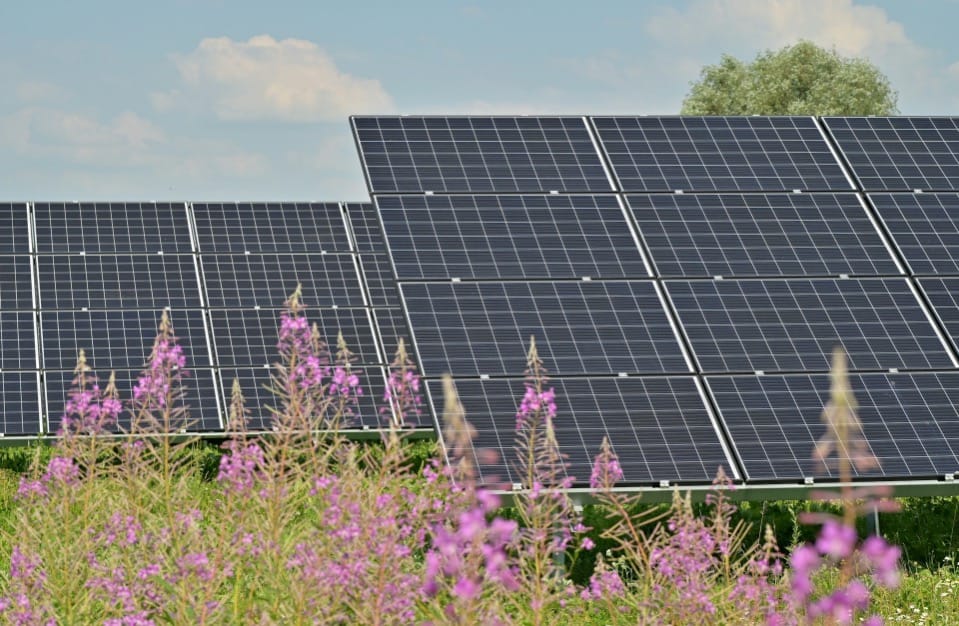
Small-scale embedded generation, or SSEG, is the city’s label for systems like rooftop solar that are connected to the municipal grid. Cape Town requires every SSEG system in its supply area to be registered and authorised before installation, whether it feeds back or not, because it is treated as a generator that affects both safety and grid stability. Failure to register can lead to an “unauthorised SSEG” fee and even disconnection under the City’s Electricity Supply By-law.
Owning solar panels turns you from a passive Eskom client into a miniature power producer. Cape Town’s SSEG rules are the contract that decides whether that power sits idle on your roof at midday or earns its keep on your municipal account.
What Cape Town pays for your excess solar
Cape Town’s Home User electricity tariff is not gentle. Home User customers currently (and are projected to) pay around 3,40 to 4,04 rand per kilowatt-hour before VAT, depending on how much they use.
Once you are on the Residential SSEG tariff, the city buys exported energy at a feed-in rate of about 1,01 rand per kilowatt-hour before VAT, and there is an extra 25 cents per kilowatt-hour “feed-in incentive” that the council currently maintains. That translates to roughly R1,45 per kilowatt-hour of credit on your bill, including VAT, which is about a third of what top-block Home User energy costs.
Credits first reduce what you owe on your municipal account. Any leftover credit can be paid out in cash under the “Cash for Power” programme once it increases to above R1,000 for residential customers, with payments processed about once a year.
This is not a replacement for income. At current tariffs, SSEG is closer to a buffer that softens your electricity bill, shortens your solar payback period, and gives your panels something productive to do while everyone is at work.
Before you start: who SSEG suits
Before throwing paperwork at the city portal, check these three basics:
- You are in the City of Cape Town supply area.
The rules apply only to properties the city supplies, not direct Eskom customers. - You are on, or can move to, the Home User tariff.
Residential SSEG sits within that tariff bracket, which has its own service charges and consumption blocks. - You either own the property or have the owner’s consent.
Under both the by-law and electrical safety legislation, the property owner is responsible for the installation.
If those boxes are ticked and your roof gets decent midday sun, SSEG feed-in starts looking interesting.
Cape Town’s FAQ is clear on one point that many installers gloss over: every embedded generator on a grid-connected property needs authorisation, even “off-grid” systems connected behind the main DB. The city treats them as potential grid-tied systems for safety and network planning.
Step 1: Pick the right system and installer
The city does not force you into a specific brand of panel, but it is strict on inverters and wiring.
- Your inverter must be from the approved inverter list and meet disconnection and power-quality standards.
- The AC installation must comply with SANS 10142, with a Certificate of Compliance issued by a qualified electrician.
- A registered engineering professional must sign the commissioning report on the city portal.
Authorisation itself is free, but installers often charge to manage the admin. When comparing quotes, ask explicitly whether SSEG applications, metering, and engineering sign-offs are included.
Step 2: Apply for SSEG authorisation before installation
Cape Town wants your SSEG system authorised before anything is installed. The approval window is usually one to three months once all information is submitted.
Installers typically apply on your behalf using:
- your municipal account information
- system design
- inverter details
- single-line diagrams and protection settings
This is where the city checks the grid capacity and confirms the equipment meets requirements. Oversizing or submitting unapproved inverters is the most common reason applications are declined.
Cape Town’s energy teams want more small generators on the grid, as long as they are safe and predictable. Authorisation is the city’s way of ensuring what sits on your roof matches what engineers approved.
Step 3: Install, wire, and certify
Once provisional authorisation lands, the build can start.
Three stakeholders sign off:
The electrician who issues the CoC for all AC work.
The engineering professional who verifies the installation matches the approved design and submits the commissioning report.
The property owner who remains legally responsible for the installation under safety law and the municipal by-law.
Keep all documents. If the property is sold or insurance gets involved, this paperwork saves you from expensive arguments.
Step 4: Get the right meter and tariff
You cannot feed back into the grid using a standard pre-paid or credit meter. You need an AMI bi-directional meter that measures imports and exports and communicates with the billing system.
These meters have strict accuracy and safety requirements, which is why they cost more than basic devices. The city installs the meter and bills the cost to you, along with an ongoing AMI administration fee.
Residential customers are placed on:
- Home User (if not already on it)
- Residential SSEG, which defines the feed-in rate and incentive
Only once your AMI meter is installed and your tariff is updated can your exports start generating credits.
Step 5: Start exporting and watch the credits
Once your system is authorised and metered, every surplus kilowatt-hour you do not use during sunny hours goes to the grid and earns credit at the set rate.
A typical millennial work-from-home day might look like this: modest usage in the morning, a midday export spike while you are out or in calls, then increased consumption in the late afternoon when appliances and devices kick in. Matching daytime usage to generation improves your return because you save more by avoiding consumption than you earn by exporting.
SSEG delivers the most value when your solar covers your own needs first. Exported energy is the bonus that sweeps up whatever you cannot use during peak sun.
Step 6: Decide whether “Cash for Power” makes sense
If you consistently export more than you consume, your credits can increase enough to qualify for an annual payout.
Cash for Power works like this:
- You earn feed-in credits as usual.
- Credits first offset your municipal account.
- Once your remaining credit passes the payout threshold, you can receive the balance into your bank account.
You need to register as a supplier with both the city and the National Treasury. The admin makes sense mainly for homes that export significant surplus energy.
Step 7: Common pitfalls to dodge
A few problems appear repeatedly in Cape Town’s SSEG documents and user forums:
- Installing first and applying later, which is illegal and risks disconnection.
- Using inverters not on the approved list.
- Assuming “off-grid” means no registration while still connecting through the household DB.
- Underestimating metering costs and ongoing AMI fees.
Experienced, accredited installers reduce these risks dramatically.
Is selling excess solar to the city worth it?
Selling excess solar to Cape Town will not turn your home into a passive-income engine. The feed-in rate is roughly a third of what you pay for top-block grid power, and metering fees reduce returns.
For residents already planning a compliant rooftop installation, SSEG feed-in works as an upgrade:
- You save on daytime electricity.
- You send unused energy to the grid instead of wasting it.
- You earn credits that reduce your municipal bill, with optional cash-out once you hit the threshold.
Cape Town updates its SSEG documents regularly. Before signing anything, check the city’s tariff sheets, by-laws, and SSEG guidelines to ensure the installer’s claims match official rules.
Selling excess solar will not fix Eskom, although it does assist the grid. What it can do is turn surplus sunshine into stable monthly credits that ease the financial grind millennials face in one of the world’s priciest electricity markets.
🔴 Have you read these articles yet? Each one is a quick read, and we think you’ll enjoy it.
👉 The value of a quiet hour
👉 Why a simple pantry setup makes life easier at every age

🔴👉 Visit our Categories page to find your favourite read!
🔴👉Visit our other publications
The Travel Thread | Where lekker meets latitude.
Karoo Times | Real Karoo. Real People. Real Business.
De Kaap Echo | Your community. Your story.

Comments ()