
Reaching a free shipping threshold may sound like you are saving. A closer look at the checkout total can reveal whether the extra purchase was worthwhile.

Free delivery can make an online order look cheaper, especially when the basket is close to the minimum amount needed to qualify. A R420 order with free delivery from R500 could give you one of three choices: either pay the delivery fee, add another item, or leave the order for later.
While none of these three choices is automatically wrong, the final cost will depend on the delivery fee, the price of the extra item, and whether that item was already (and truly) needed.
The threshold changes the comparison
A free-shipping threshold turns delivery into part of the checkout maths. Research conducted by the Harvard Business School found that higher order values when shoppers had to reach a free-shipping minimum, although the same change also reduced the number of orders placed overall.
When a shopper adds a R120 item to avoid a R60 delivery fee, they will still have increased the total order value by R60, unless the extra item replaces something that they would have bought anyway.
Free shipping is a discount only when the basket already makes sense. When an added item exists only to reach the threshold, the savings on delivery have to be measured against the extra product cost, not against the word “free” on the checkout screen.
Pause before completing checkout
If you are unsure, answer this: would the extra item still be worth buying if delivery already cost R0?
If the answer is yes, it points to a planned payment. However, if the answer is no, it means the delivery fee and the extra item should be compared side by side before payment.
Many South Africans can face small costs in many corners of everyday spending, from card charges to service fees, which is why avoidable banking fees belong in the same broader money conversation.
 Liz Thorne
Free delivery can still be useful
Free delivery can work in your favour when the basket is made up of planned items. Household goods, toiletries, stationery, pet food or pantry items might already be on your list, which means a larger order does not necessarily mean an unnecessary order.
A planned basket and a padded basket are not the same thing. One starts with what the shopper needs. The other starts with the retailer’s threshold and works backwards from there.
A simple list before checkout can help separate the two. The same logic applies to monthly budget buffers, where the point is to plan for known costs before those costs arrive.
 Liz Thorne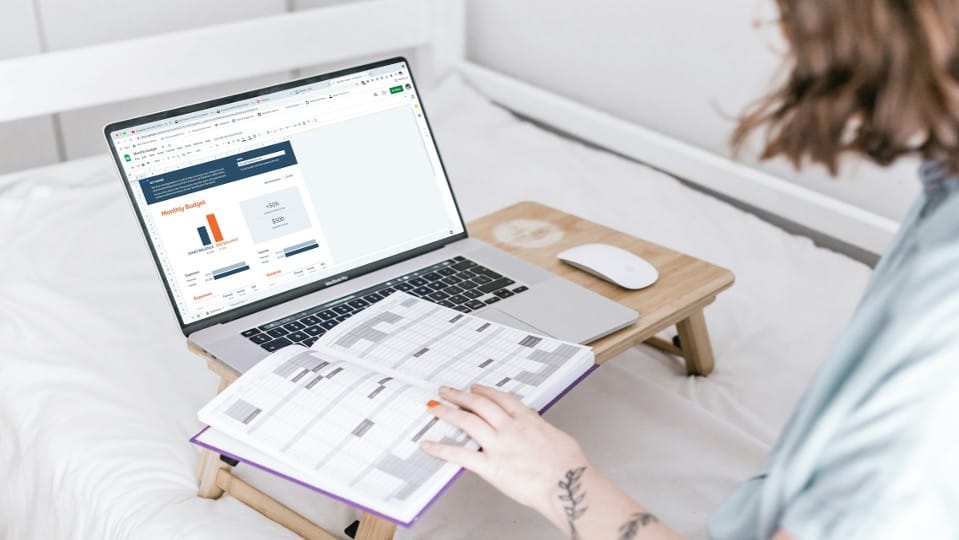
Checkout pages can sometimes make delivery feel like the cost to beat, but the full amount charged is the number that leaves your account. A R60 delivery fee, a R95 added item, and a R500 threshold each need to be included in the same calculation.
While free delivery might not be a problem by itself, the risk starts when your basket changes only because the checkout screen offers a reward for spending more. It is safer to compare the delivery fee with the cost of the extra item, then decide which total is worth paying.
 Mariana Balt
 Naomi Roebert
 Lynette Spencer


Comments ()