

One repayment instead of several can sound like an easy win. The important part is what happens to the interest, fees and repayment period once everything is combined.


If several debit orders are deducted from your account on the same payday, one new loan can look easier than four separate repayments. Debt consolidation can reduce the number of accounts you pay each month, but it does not erase what you owe. Check your credit score habits before another credit application, especially if missed or late payments have already entered your repayment history.
 Liz Thorne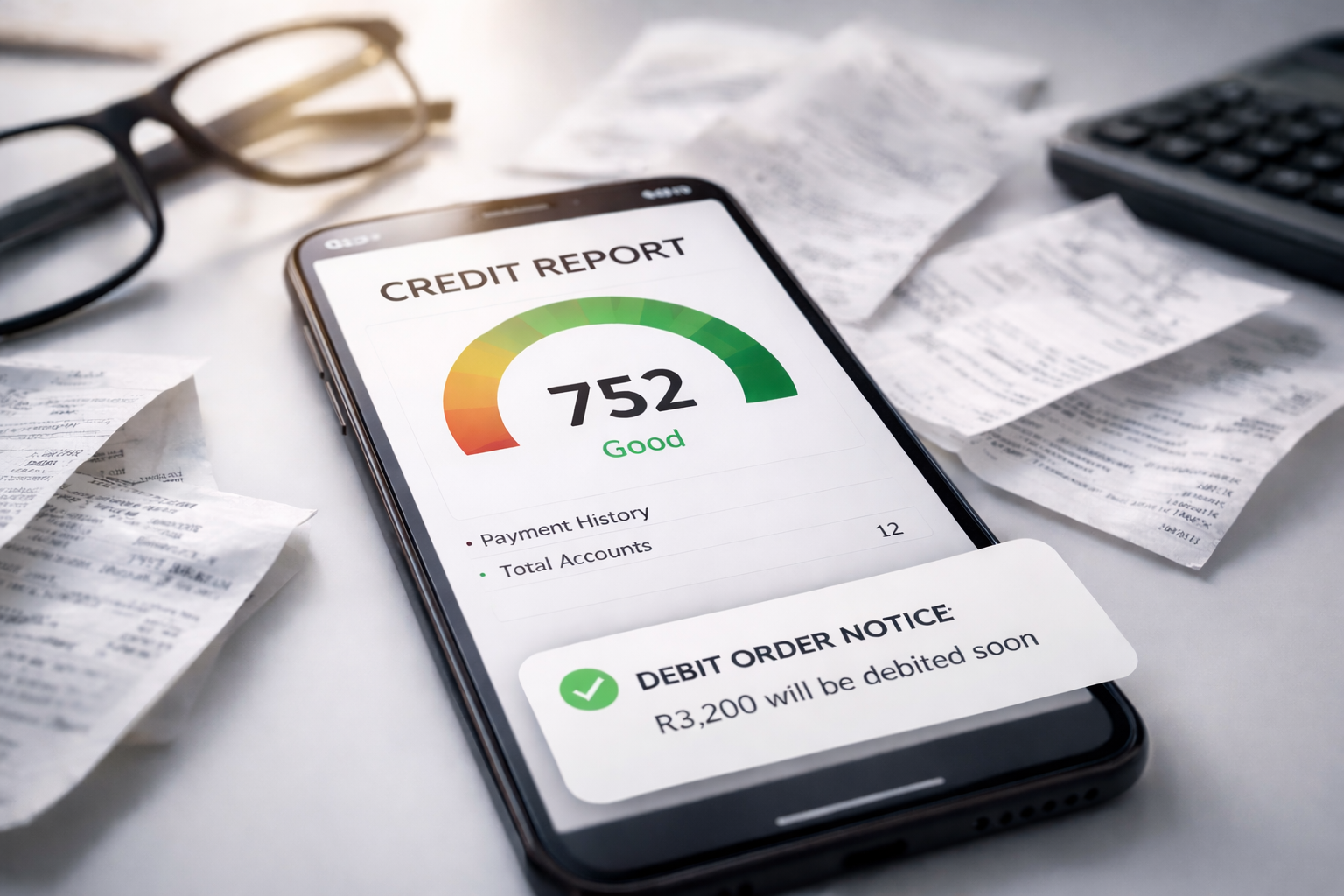
What changes when you consolidate?
A single-debt approach uses one new loan to settle several existing debts, leaving one instalment under the new agreement. Separate repayment leaves each account with its own balance, interest rate, fees, due date and remaining term.
Moving from several repayments to one can simplify your monthly admin. The financial result still depends on the new rate, fees, term and total repayment, which can differ from the combined cost of the debts you already have.
One instalment can also make a monthly money plan easier to organise because fewer repayment dates compete with payday. Convenience, however, is not the same as a lower total cost.
 Liz Thorne
A lower monthly repayment can cost more overall
A smaller debit order can be tempting when cash is tight. In one South African example, R20,000 of debt at 20% over three years totals nearly R31,500, while a five-year consolidation loan at 18% totals about R37,000. The monthly amount drops from roughly R870 to R620, but the longer term produces a higher total repayment.
Compare the interest rate, loan term, fees and total repayment before replacing existing accounts. If you have room to pay extra, the maths behind extra repayments and interest costs can also help you judge whether separate repayment is worth comparing.
 Liz Thorne
Know when consolidation is not the same solution
If you cannot meet your required debt payments, consolidation should not be confused with debt counselling. Debt counselling is a National Credit Act debt-relief process for over-indebted consumers and can involve budget assessment, negotiated payments and debt restructuring. Consolidation creates a new credit agreement that settles other debts.
One payment can make your month easier to manage. It cannot tell you whether the debt became cheaper. Compare the total repayment, not one debit order.
Debt consolidation can simplify your repayment schedule, but simplicity and savings are not the same result. Read the new agreement against the debts you would otherwise repay, including the term, interest, fees and total amount due. One debit order is easier to remember; your decision should depend on what the debt costs from first payment to last.
 Mariana Balt
 Lynette Spencer
 Naomi Roebert
 Anchen Coetzee



Comments ()