
Why the rand is behaving like a commodity proxy again
This is less about one local headline and more about three big forces: Commodities, the US dollar, and global risk flows.
🔴 You might also like to read:
 Liz Thorne
When the rand starts moving with metals and oil charts, it is not your imagination. It is the market treating South Africa like a live ticker for global commodity mood again, and your salary is collateral, with commodity-linked petrol pricing maths doing the damage in everyday places like the forecourt.
That “commodity proxy” label comes back when global money swings between risk-on and risk-off, then uses the rand as a fast way to price that mood shift, because global risk sentiment turning points hit liquid emerging market currencies first.
The rand is a currency, but traders treat it like a lever on commodities
South Africa exports a lot of stuff the world digs out of the ground, then ships away: platinum group metals, gold, coal, iron ore, manganese, chrome, plus a long list of other minerals. When those prices jump, the country’s export receipts improve, the terms of trade rise, and the currency can firm.
When commodity prices roll over, the reverse pressure quickly makes itself known. Researchers have mapped this “commodity currency” link across exporters, via terms-of-trade channels and capital flows.
The twist is that the rand also trades like a “high beta” emerging-market gauge. In plain English, it can swing more drastically than slower, more insulated currencies when global portfolios switch from “let’s take risk” to “let’s hide under the desk”.
A chunk of the rand’s day-to-day drama has nothing to do with your local news cycle. It is global positioning. When large funds want exposure to emerging markets, South Africa is liquid and tradable, and the rand becomes a handy on-ramp. When they want out, it becomes the exit door, too.
Why “commodity proxy” is back on the menu now
Energy, metals, and shipping costs are back in the global conversation, which keeps terms-of-trade stories front and centre for exporters. Central bank commentary has tied South Africa’s terms of trade to rand outcomes in the recent context.
2) China still matters, even when nobody wants to talk about it
A lot of South Africa’s export basket is downstream of Chinese industrial activity (construction, manufacturing, infrastructure). When China surprises on growth (up or down), the ripple goes through industrial metals and then into exporter currencies. This does not mean “China controls the rand”, but that China-linked commodity pricing is one of the faster channels global traders react to.
3) Global rates and the US dollar set the background music
A strong dollar and tighter global financial conditions can pull capital back toward the US, hitting emerging-market assets and currencies. The IMF has warned that global tightening or market corrections can trigger exchange-rate volatility and capital-flow swings for South Africa.
🔴 You might also like to read:
 Liz Thorne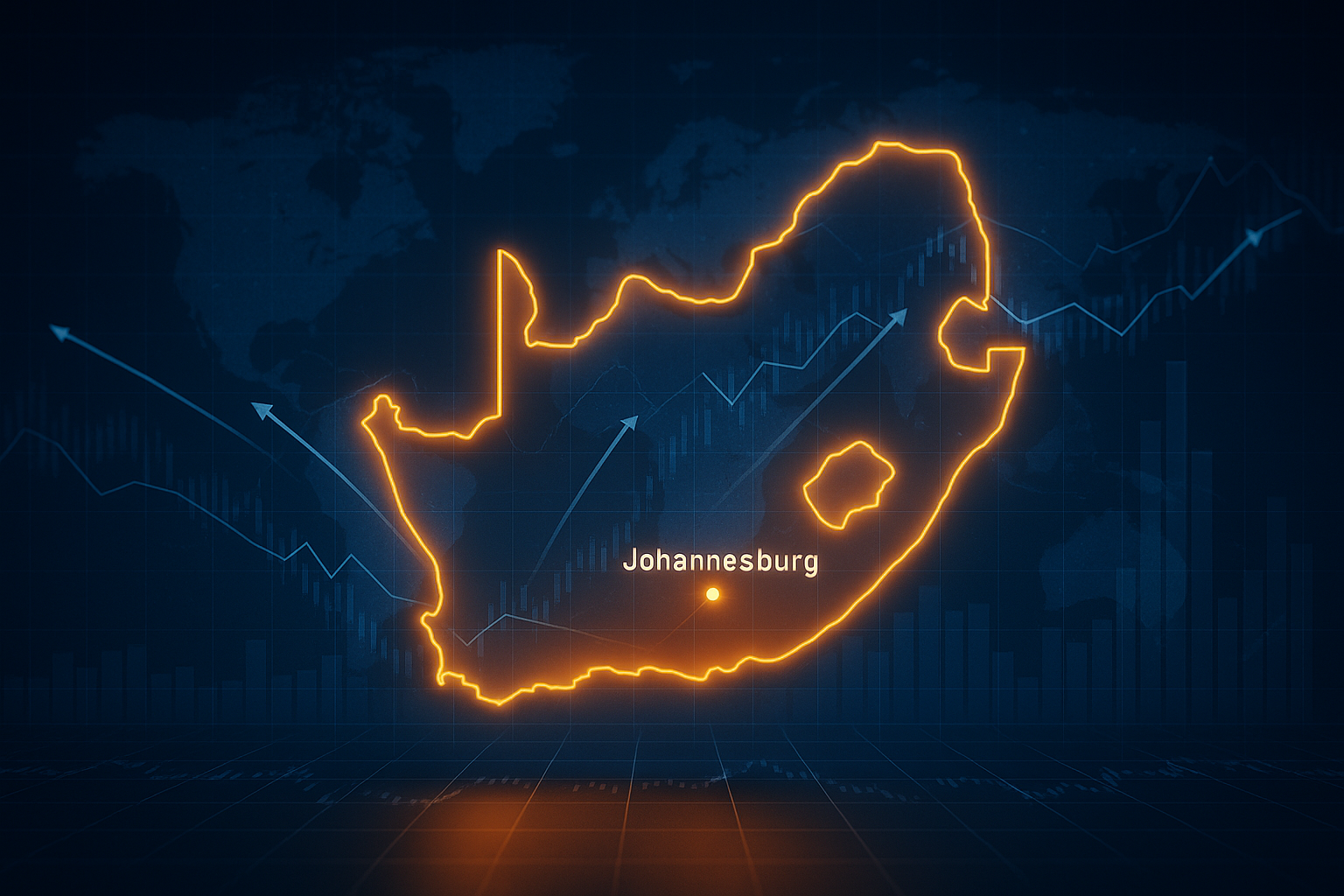
The ‘proxy’ part: Why the rand reacts faster than the local story
South Africa has deep, liquid markets relative to many peers. That makes it easy for global desks to express a view quickly, without needing to trade something harder to access. Much of the action is not “South Africa is doing X today”, it is “global risk is repriced today, pick a liquid EM currency”. Reuters has previously described the rand this way in risk-off episodes.
When traders want a quick read on emerging-market risk, the rand can become the button they press, long before any local data print arrives.
This is why you can see the rand weaken on a day when a local headline looks fine, or firm on a day when the vibes at home are bleak. Global flows can overpower the domestic narrative in the short term.
What this means for South Africans trying to plan in rand
Your money life is exposed to global cycles, not only local ones.
Groceries, fuel, imported tech, overseas subscriptions, and holidays price off a currency that can jump around on the global mood. That is not a moral failing; it is structure.
Hedging is not only for rich people, but it also needs consideration.
You can spread exposure via offshore assets, global revenue shares, or instruments that benefit when the rand weakens. This is not a cue to panic-buy USD at any level; it is a cue to build a portfolio that does not live and die on one exchange rate.
The simplest mental model is this: your income is rand-based, your cost of living has global inputs, and your long-term goals are priced in a world market. Treating the rand as “home currency safety” can be a bad assumption when global conditions flip.
Pay attention to three dials, not fifty headlines.
Commodity direction, the US dollar trend, and global risk appetite will tell you more about near-term rand moves than most local noise. That trio will not predict the exact level, but it explains the big pushes.
🔴 You might also like to read:
 Liz Thorne



Comments ()