
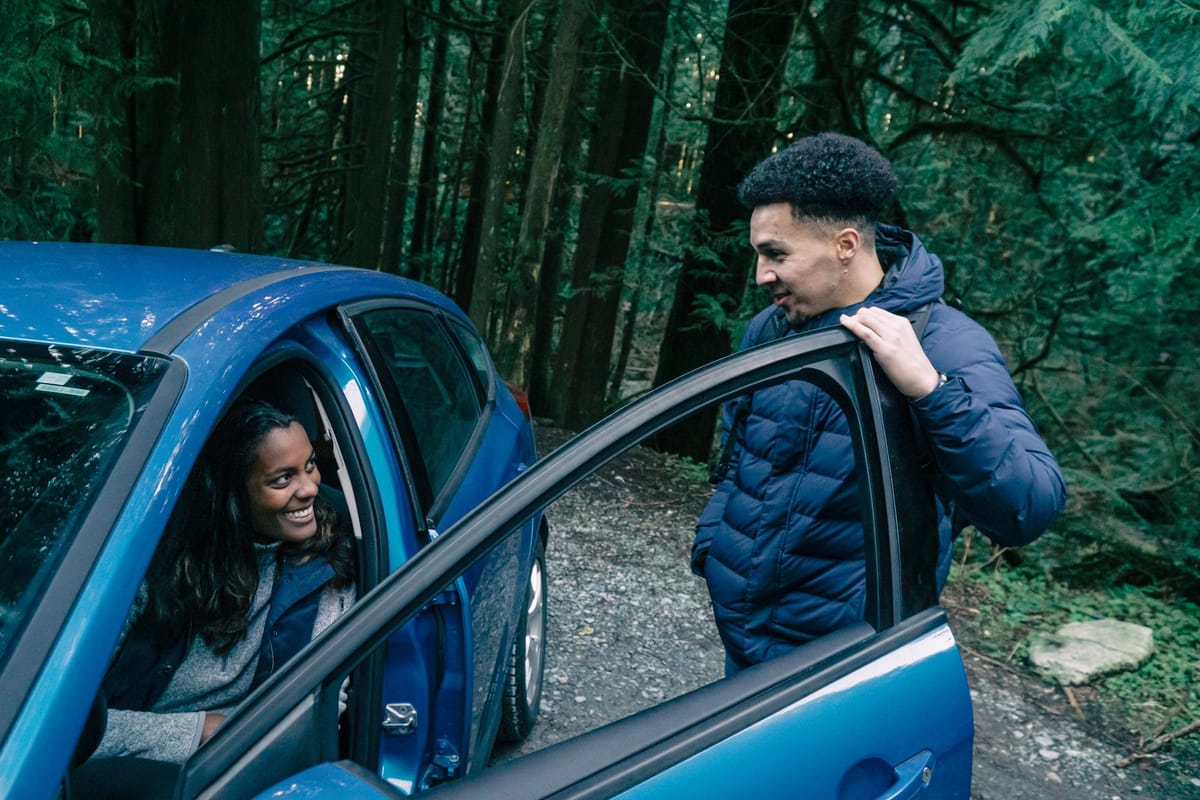
Lending someone money can be awkward, but handing over your car comes with a different kind of trust. Insurance, fines, damage and responsibility can turn a simple favour into a much bigger conversation.




You can lend someone R500 and know exactly what needs to come back. Hand over your car keys, and suddenly the mental checklist gets longer: the bumper, the petrol gauge, the potholes, their parking skills, your insurance excess, and whether “I’ll be quick” means 20 minutes or half the afternoon (if not longer).
The hesitation is not only about the price of the car. Your car is tied to your insurance, daily transport, registration number and, for many people, a finance agreement. If something goes wrong, a simple favour can quickly become your admin.
Your insurance policy still sets the rules
Nedbank advises checking your policy terms before someone else drives your car. Its guidance explains that cover can depend on the driver meeting the policy conditions, which can include having a valid licence and not driving under the influence.
Lending money creates one obvious obligation: pay it back. Lending a car can create several at once, from fuel and damage to an insurance claim or fine. Even a harmless favour can leave you with paperwork you never expected to spend your afternoon on.
Permission does not erase the awkward bits
King Price explains that an occasional authorised driver and a regular driver are treated differently under its car insurance. A friend who borrows the car once is different from someone who uses it regularly but is not recorded as the regular driver.
If something happens on the road, dashcam footage can help preserve details such as the time, location and impact sequence. It will not make the conversation afterwards pleasant, but it can give you evidence when two versions of the same incident differ.
Have the awkward conversation before the keys change hands
OUTsurance applies an additional excess when a driver under 25, who is not recorded as the regular driver, has an accident in your car with your permission. Your own policy may work differently, which is why checking it before the favour is worth the few minutes.
Talk about fuel, return time, damage, fines and the excess before anyone leaves with the car. If a traffic infringement is linked to your registration number, knowing who had the car and when gives you something concrete to work from.
The favour is simple when nothing goes wrong. The test starts when a cost, fine or claim follows. Agreeing on responsibility before the trip gives both of you the same understanding.
Lending your car is different from handing someone cash because your involvement does not end when the keys leave your hand. Your insurance, transport, money and admin can still be affected after the trip. Trust can be part of the decision, but the boring conversation beforehand may protect the friendship afterwards.
 Anchen Coetzee
 Naomi Roebert
 Lynette Spencer
 Mariana Balt



Comments ()