
The neighbour economy of borrowed tools and returned favours
Every street has a neighbour with the right tool and another who knows exactly who to ask. The system works because people remember who returns what was borrowed.
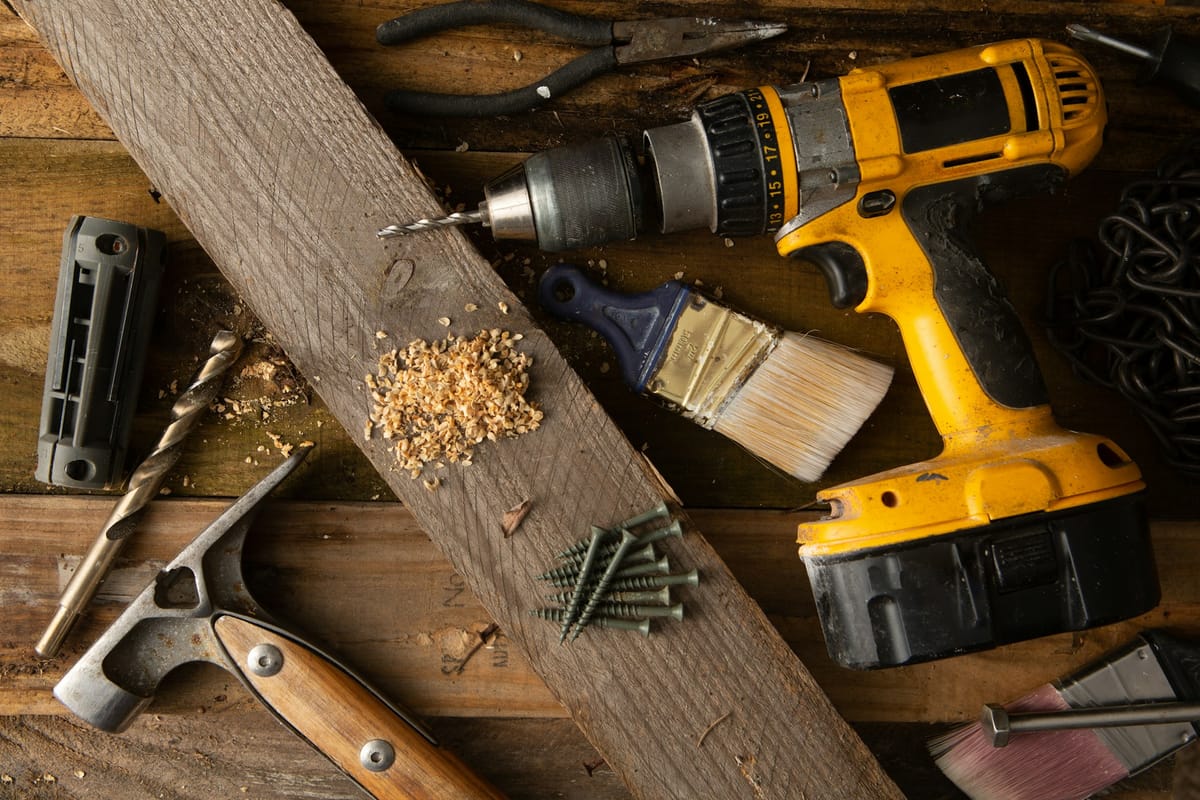

A neighbourhood can have its own unofficial stockroom. One house owns the ladder, another has the pressure washer, and somewhere behind a garage door lives a drill that has fixed half the street and may belong to one (mildly) anxious person.
You know the message: “Random one, do you have a 10 mm masonry bit?” It may end up in the WhatsApp chat that could already juggle parcels, missing pets and the occasional mystery alarm at 1 am. The message could translate neatly to, “I have started a job I was not prepared for, and the hardware shop closes in 10 minutes.”
 Liz Thorne
A basic agreement should be enough. Name the item, say when it comes home and mention any damage before it leaves. Good manners do most of the paperwork.
Borrowed tools tend to have (not-so) tiny responsibilities that can be easy to ignore and impossible to miss once ignored. Return the extension lead untangled, replace the blade you blunted, and wipe the grass off the mower before it crosses the driveway. A favour stops being charming when the owner has to repair the favour afterwards.
Borrowing can spare you a once-off purchase that spends the rest of its life in a cupboard. Buying your own can still have a place when you use the item regularly or need it at short notice. The neighbour economy should not be regarded as anti-shopping; it should be anti-buying-a-tile-cutter-for-six-tiles.
A favour may return in another form. The person who lends you a ladder may need a parcel collected next month. The neighbour who helps with a flat battery may ask you to feed the cat over a weekend. Nobody should have to tally every exchange like a suspicious accountant, although returning a borrowed hedge trimmer with no fuel can be regarded as a bold invitation to start.
South Africa’s waste hierarchy places reuse before disposal, which gives this old habit a place in the country’s wider waste policy. The appeal at street level can be simpler: one useful object can do more than one useful job before anybody buys another.
A neighbourhood becomes more useful when people know what can cross the fence and trust that it will come back.
A borrowed drill is a small test of how you treat someone else’s trust. Return it on time, in decent condition, with every bit it came with. This way, the next favour might reach your gate long before you know you need it.
 Mariana Balt
 Tessa Vaughn
 Mariana Balt
 Naomi Roebert
 Anchen Coetzee



Comments ()