
Brace yourselves, South Africa: Petrol is going up this Wednesday (and here’s what pushed it)
Filling up is about to cost more from Wednesday, March 4. Higher crude prices and increasing international fuel costs are behind the price hike, even with a stronger rand in the mix.
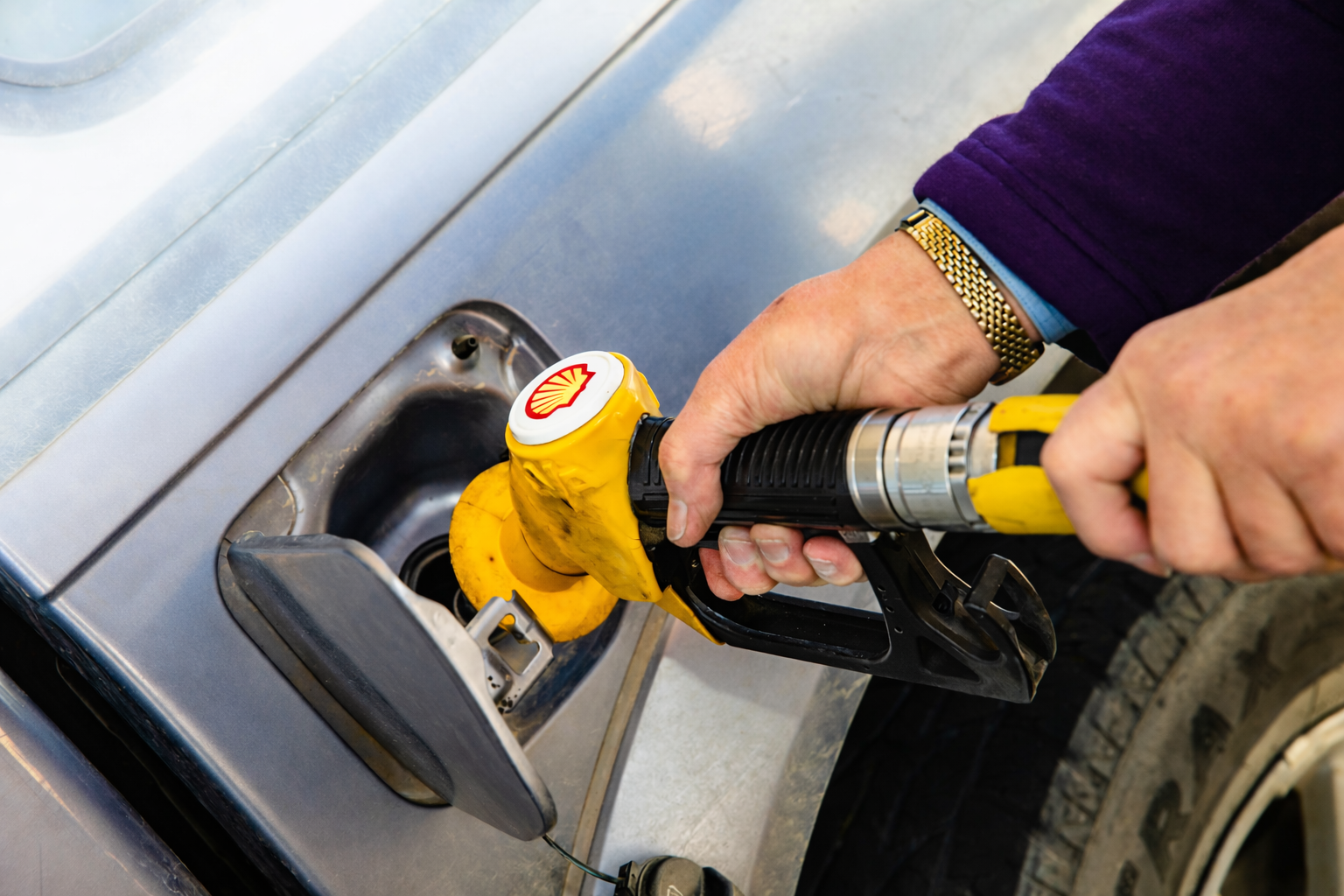
Petrol is even more expensive from Wednesday, March 4, after the Department of Petroleum and Mineral Resources confirmed the latest monthly adjustment, with both 93 and 95 petrol increasing by 20c a litre.
A stronger rand softened the damage during the review period, which is exactly why the rand-as-a-global-risk proxy is worth keeping an eye on when fuel headlines pop up in South Africa.
South Africans are not paying more because of one headline or one local policy switch this week. International product prices soared, crude oil is higher, and shipping risk in the Middle East put more pressure on the fuel pricing chain, while the rand only trimmed part of the increase.
Fuel pricing in SA follows a longer route than “oil down, pump down”, which is why the petrol price chain between global oil and your local forecourt deserves more logical (not semi-apocalyptic) look when everyone starts doom-posting.
What is changing on March 4
Official petrol increase (SA-wide)
- Petrol 93: +20c/l
- Petrol 95: +20c/l
New petrol prices (inland vs coastal)
Inland (March):
- Petrol 93: R20.19/l (from R19.99/l)
- Petrol 95: R20.30/l (from R20.10/l)
Coastal (March):
- Petrol 93: R19.40/l (from R19.20/l)
- Petrol 95: R19.47/l (from R19.27/l)
Diesel is also going up, with wholesale increases of 62c/l (0.05%) and 65c/l (0.005%).
Why petrol is rising right now
Crude oil soared during the review period
Oil prices were drastically higher in February amid geopolitical escalation, including renewed US–Iran tension and broader Middle East instability. Brent crude moved from below $60 (R969) a barrel to above $80 (R1,292) during the month.
Oil is priced in dollars, and when oil increases in dollars, especially when it does so quickly, South Africa feels it in the monthly fuel calculation.
International refined fuel prices increased
South Africa’s Basic Fuel Price is influenced not only by crude oil but also by the global price of refined products such as petrol and diesel. Those product prices rose during the review period, compounding the impact of higher crude.
The rand helped, but only partly
The rand strengthened on average against the US dollar during the review period. That appreciation reduced the fuel price contribution compared to what it would have been under a weaker currency.
Translation: the currency saved motorists from a larger increase. Oil and product-price pressure still outweighed that relief.
Fuel prices are a monthly reminder that your wallet lives in South Africa, but parts of your cost stack are priced in a volatile global system.
What is not causing Wednesday’s petrol hike
Slate levy is not the culprit
The slate levy remains at 0.00c/l. No additional slate adjustment is pushing this week’s increase.
April tax changes are separate
Levy adjustments linked to the national Budget, including potential changes to the general fuel levy, RAF levy, and carbon levy, are tied to April pricing. These are not responsible for the March 4 petrol increase.
What South African millennials should watch next
Oil volatility
Escalation in the Middle East can increase prices quickly. Shipping risk through strategic routes such as the Strait of Hormuz raises cost expectations in global markets, which filter into refined fuel pricing.
Rand direction
A firmer rand can cushion future increases. A weaker rand during a high-oil month can amplify them.
April levy pressure
March brought a market-driven increase. April could introduce tax-driven pressure. Different drivers, same wallet.


Comments ()